


Injured on the job in North Carolina? What should you do next?

Here’s how to file a claim that can help you access medical care and wage loss benefits.

This page refers to How to File a Workers’ Compensation Claim in North Carolina in North Carolina.
Since laws differ between states, if you are located in South Carolina, please click here.
How to File a Workers’ Compensation Claim in North Carolina
Many people believe that telling their supervisor about a workplace accident is the same as filing a workers’ compensation claim. This is a common and potentially costly misunderstanding. While reporting your injury immediately is a critical first step, it doesn’t formally begin the process of seeking benefits. To protect your rights, you must know how to file a workers’ compensation claim in North Carolina with the state — a separate and vital action.
The North Carolina workers’ compensation system is a “no-fault” program designed to provide a safety net for most employees, covering medical care and lost wages regardless of who caused the accident. As a North Carolina Workers’ Compensation attorney who has helped many injured employees with their workers’ comp claims, I’ll briefly explain the official process for filing a workers’ compensation claim in North Carolina, breaking down the essential forms and deadlines that can make a significant difference in your recovery.
Key Takeaways About Filing a Workers’ Comp Claim in North Carolina
- An employee should report a work-related injury to their employer in writing within 30 days.
- Filing an official claim requires submitting a Form 18 to the North Carolina Industrial Commission (NCIC).
- The deadline to file a Form 18 is typically two years from the date of the injury.
- North Carolina’s workers’ compensation system may provide benefits for medical treatment and lost wages.
- An employer’s insurance company is typically responsible for handling the claim and deciding whether to accept or deny it.
- Following the correct procedures is critical, as mistakes can potentially delay or jeopardize a claim.
What to Do Immediately After a Work Injury in North Carolina
After any workplace accident, your health should be your first priority. Once you have received any necessary emergency medical care and are able to take the next steps, it’s important to act promptly to protect your potential claim. The actions you take in the hours and days following an injury can set the foundation for your entire case.
Seek Appropriate Medical Attention
First and foremost, get the medical care you need. If it wasn’t an emergency, you should still see a doctor as soon as possible. In North Carolina, your employer generally has the right to direct your medical treatment, at least initially. This means they can tell you which doctor or clinic to visit. It is very important to follow their instructions for initial care, as failing to do so could create problems for your claim. Be sure to tell the doctor that your injury is work-related and explain exactly how it happened.
Report Your Injury to Your Employer in Writing
The next critical step is to notify your employer about the injury. The North Carolina Workers’ Compensation Act requires you to provide notice to your employer within 30 days of the accident. While you can tell a supervisor or manager verbally, we always recommend following up in writing (such as an email or a formal letter) to create a record.
Your written notice should clearly state:
- Your full name and contact information
- The exact date and time the injury occurred
- A brief, factual description of how the accident happened
- The specific parts of your body that were injured
Creating this paper trail can provide clear evidence that you met the 30-day reporting requirement, which can be very important later on.
The Official Filing Process: How to File a Workers’ Compensation Claim in North Carolina

The key to formally filing a workers’ compensation claim in North Carolina is using the correct form and submitting it to the right place before the deadline.
The Employee’s Role: Filing a Form 18
The official document you must file is the Form 18, Notice of Accident to Employer and Claim of Employee. You can find this form on the NCIC’s official website. You must complete this form and send it to the NCIC. It’s also a good practice to send a copy to your employer and their insurance company.
The deadline for filing a Form 18 is crucial: you generally have two years from the date of the injury. If you miss this deadline, you will likely lose your right to receive any workers’ compensation benefits.
When filling out a Form 18, you will need to provide:
- Detailed information about yourself and your employer
- The date, time, and location of the accident
- A description of the injury
Accuracy is incredibly important on this form. Any mistakes or omissions could be used by the insurance company to delay or deny your claim.
The Employer’s Role: Filing a Form 19
Once you have notified your employer of an injury, they are required to report it to their insurance company and file a Form 19, Employer’s Report of Employee’s Injury, with the North Carolina Industrial Commission. However, you should not wait for them to do this. Your claim depends on you filing the Form 18. Even if your employer fails to file their form, your claim can still proceed as long as you have filed yours correctly and on time.
What Happens After You File a Claim?
Once your Form 18 has been filed with the North Carolina Industrial Commission, the employer’s insurance company typically takes over. They will investigate the claim to determine if it is compensable under state law. This period can be stressful, as you are waiting to see if you will receive the benefits you might need.
Here is a general overview of the steps that typically follow:
- The Insurance Company Investigation: In the event your employer carries workers’ compensation insurance, an adjuster or claims administrator will typically be assigned to your case. They will review your medical records, the accident report, and your Form 18. They might also want to take a recorded statement from you. We advise people to be very careful if an adjuster asks for a recorded statement, as your words can be used against you later.
- Acceptance of Your Claim: If the insurance company determines your injury is work-related and covered under the Workers’ Compensation Act, they should formally accept the claim by filing a Form 60, Employer’s Admission of Employee’s Right to Compensation. Once this happens, they should begin paying for your medical treatment and any wage loss benefits you are owed.
- Denial of Your Claim: The insurance company might also deny your claim. If they do, they should file a Form 61, Denial of Workers’ Compensation Claim. They must provide a reason for the denial. A denial is not the end of the line, but it means you will have to fight to get any benefits. This is a critical point where having an experienced attorney can make all the difference.
It is important to understand that a denial can happen for many reasons, from a belief that the injury didn’t happen at work to a simple administrative error.
Understanding Your Potential Workers’ Compensation Benefits in North Carolina
Filing a claim is about trying to secure access to benefits that can help you recover financially and physically. In North Carolina, the workers’ compensation system is set up to provide specific types of assistance to injured workers. Understanding these potential benefits can help you know what to expect.
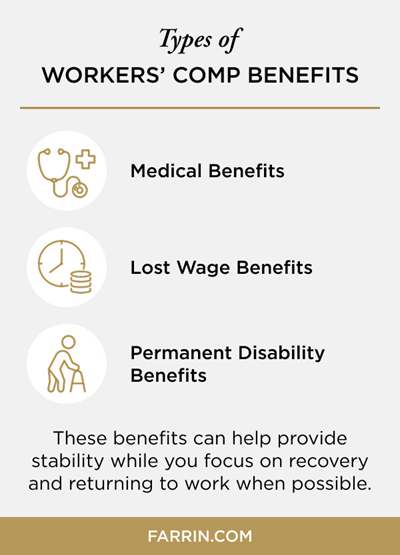
The primary benefits you might be able to receive include:
- Medical Benefits: This covers all necessary medical treatment to help you recover from your work injury. This can include doctor visits, hospital stays, prescription medications, physical therapy, and even mileage reimbursement for travel to medical appointments.
- Wage Replacement Benefits: If your injury causes you to miss more than seven days of work, you might be eligible for payments to replace a portion of your lost wages. These are often called “indemnity benefits” and typically equal two-thirds of your average weekly wage, up to a maximum amount set by the state each year.
- Permanent Disability Benefits: If your injury results in a permanent impairment, you might be entitled to additional compensation. This is often paid for a set number of weeks based on the body part injured and the degree of impairment, which is determined by a doctor.
These benefits are intended to provide stability while you focus on getting better and, when possible, returning to work.
Common Pitfalls and Why Seeking Legal Guidance Can Be Crucial
While the workers’ compensation system is supposed to be straightforward, it is an administrative process with many rules and deadlines. Injured workers unfamiliar with the system can sometimes make simple mistakes that hurt or end their case. Having a knowledgeable advocate on your side can help you try to avoid these common issues.
We often see people encounter challenges such as:
- Mistakes on Forms: An incorrect date or an incomplete description of the injury on the Form 18 can lead to an immediate denial, forcing you into a lengthy appeals process.
- Giving a Recorded Statement: Some insurance adjusters may ask questions in a way that might get you to say something that harms your claim, even unintentionally. An attorney can help prepare you for these questions or handle communication with the adjuster for you.
- Pressure from a Nurse Case Manager: While some nurse case managers are helpful, others are employed by the insurance company to manage costs. Some might pressure your doctor to release you back to work before you are ready.
- Disputes Over Medical Treatment: The insurance company might deny a specific surgery or treatment your doctor recommends. An attorney can fight for you to get the recommended medical care.
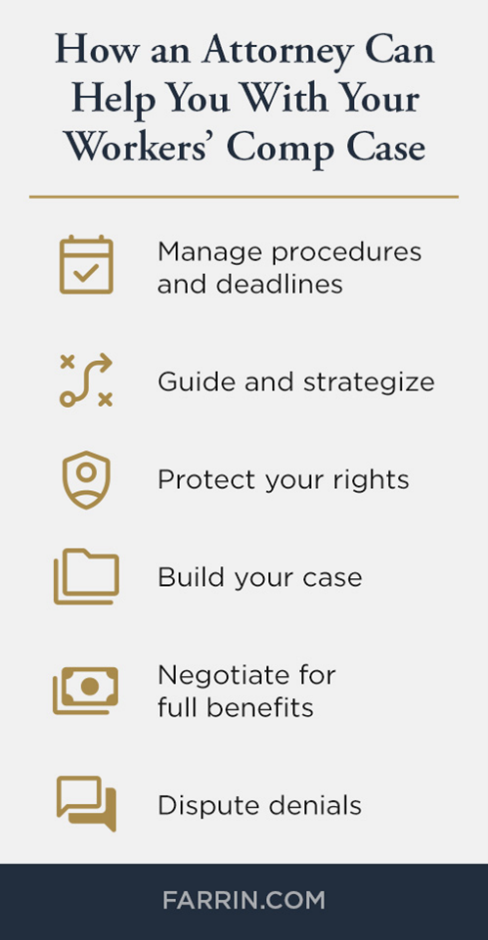
An experienced workers’ compensation attorney understands how insurance companies operate and can build a compelling case on your behalf, fighting for the full benefits you might deserve. They can manage the deadlines, handle the paperwork, and represent you in hearings if your claim is denied.
Filing a Workers’ Compensation Claim in North Carolina FAQs
Here are answers to some common questions we hear about the North Carolina workers’ compensation process.
What if my employer does not have workers' compensation insurance?
In North Carolina, most employers with three or more employees are required to carry workers’ compensation insurance. If your employer illegally fails to carry insurance, you may still be able to receive benefits through a state fund, and your employer could face significant penalties.
Can my employer fire me for filing a workers' compensation claim?
No. It is illegal for an employer in North Carolina to fire or otherwise retaliate against an employee simply because they filed a workers’ compensation claim in good faith. This is called a retaliatory discharge, and you might have grounds for a separate legal action if this happens.
What if the injury was my fault?
Because workers’ compensation is a no-fault system, it generally does not matter if your own carelessness contributed to your injury. As long as the injury arose out of and in the course of your employment, you can typically still file a claim. There are some exceptions, such as injuries caused by intoxication.
Do I have to see the company doctor?
Initially, your employer has the right to direct your medical care. However, if you are not satisfied with the care you are receiving, you have the right to petition the North Carolina Industrial Commission to change doctors. An attorney can help you with this process if needed.
How long do workers' compensation wage benefits last in North Carolina?
For temporary total disability, benefits are generally capped at 500 weeks. However, there are exceptions for certain catastrophic injuries that might allow for lifetime benefits. The duration of your potential benefits will depend on the specifics of your injury and your ability to return to work.
Contact the Law Offices of James Scott Farrin for Help Today
If you, or a loved one, have been injured at work, you don’t have to handle the claims process by yourself. The rules can be confusing, and the insurance company has professionals fighting for their interests. Let us fight for yours.
Worried about the cost of a lawyer? Don’t be – at the Law Offices of James Scott Farrin, you pay no upfront costs or hourly fees to hire our firm. And if we don’t recover compensation for you, you pay us no fee at all – Guaranteed.2
If you have been injured on the job, contact the Law Offices of James Scott Farrin today at 1-866-900-7078 or through our online form for a free case evaluation. Tell them you mean business.
 Text Us