

Safe-driver discount programs are often advertised as a simple way to save money on auto insurance – but the reality behind these programs is far more complicated. When insurers advertise safe-driver tracking programs that promise savings for good driving habits, the offer may sound almost too good to pass up.
But as a car accident attorney (and former insurance defense attorney) who deals with insurance companies every day, I know there’s a side to many of these programs that most drivers never hear about. And it’s one that can create serious problems if you’re ever involved in a wreck.
Usage-based insurance (UBI) programs collect detailed information about your driving through an app or device installed in your car. While they’re marketed as a simple way to lower your rates, the truth is that these programs can expose you to risks that may outweigh the potential savings.
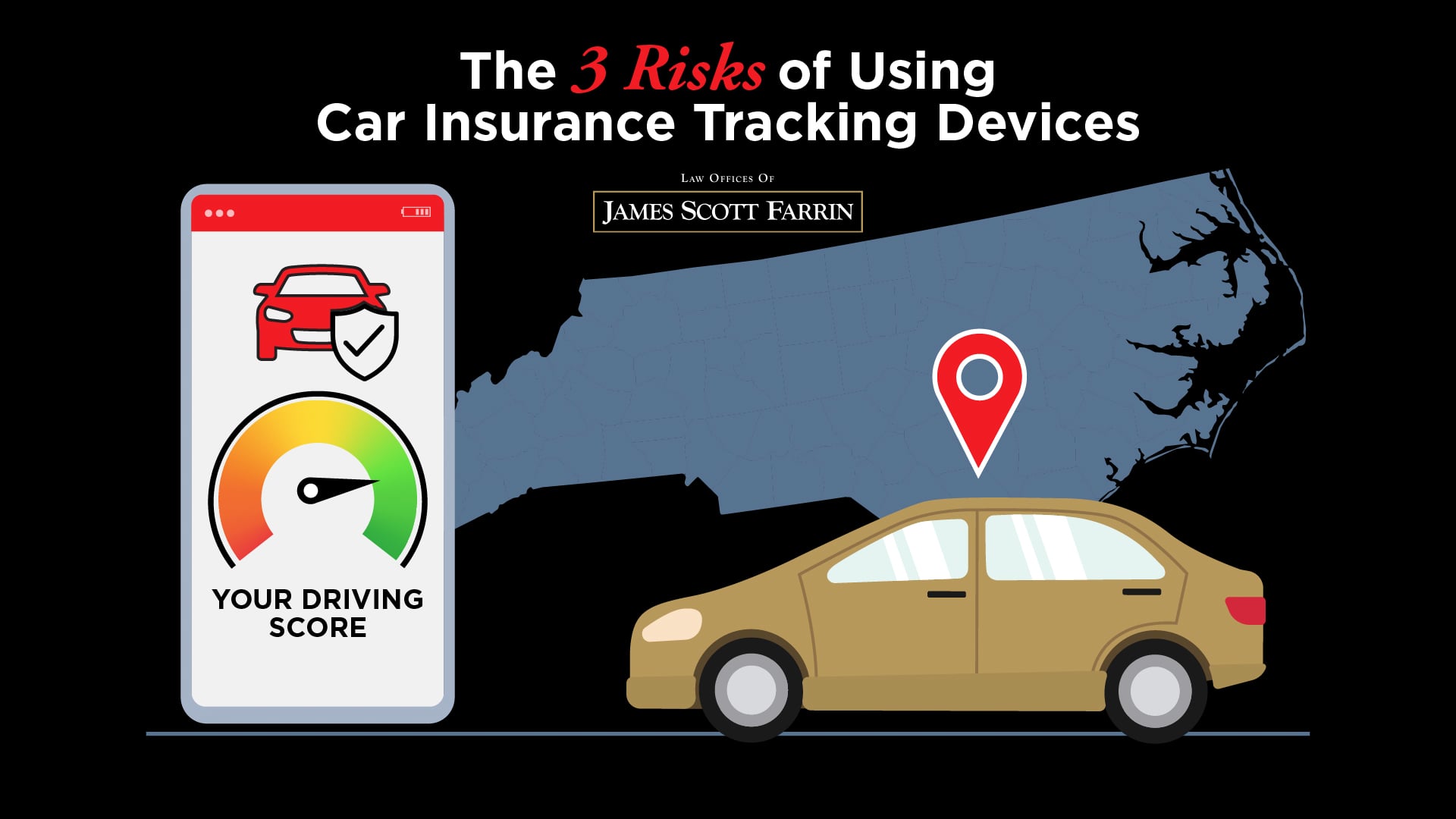
1. Your Driving Data May Be Sold — And Not Just to Your Insurer
Many safe-driver programs track things like your speed, braking, acceleration, time of day you drive, and even your location. What most people don’t realize is that this information can be packaged and sold to third parties.
A massive data-brokering market has grown around this kind of information. Companies that buy your driving data may use it to build risk profiles, target you for future products, or sell it again to other organizations — including other insurers who may use it to raise your rates.
Once your driving habits are part of that system, it can be very difficult to pull them back.
2. Insurers Can Use Your Own Data Against You After a Crash
This is an alarming trend we see in our legal practice.
If you’re injured in a crash and file a claim, the insurance company may comb through your recorded driving data looking for anything they can frame as “unsafe behavior.” A single hard brake, quick acceleration, or sudden swerve — even if done to avoid a hazard — might be used to argue that you contributed to the wreck.
And in North Carolina, where contributory negligence is still the law, being labeled even 1% at fault could bar you from receiving any compensation.
Imagine suffering serious injuries in a crash that wasn’t your fault only to have your claim denied because your own insurer points to a data log and says you “should have reacted differently.” We’ve seen insurance companies make arguments like this, and UBI data gives them new tools to do it.
3. These Programs Can Raise Your Rates Instead of Lowering Them
Many drivers sign up for safe-driving programs believing their good habits will be rewarded. But that isn’t always what happens.
Some insurers admit that a portion of participants will actually see rate increases based on their monitored behavior. One major insurer reports that about one in five customers who try their program ultimately pays more.
Even worse, your rates can go up because someone else drove aggressively in your car, or because the device misinterprets normal driving as risky. Technology meant to measure “safety” sometimes fails to account for real-world situations — like braking suddenly to avoid hitting an animal or swerving to prevent a collision.
Is a Small Discount Worth the Potential Risk?
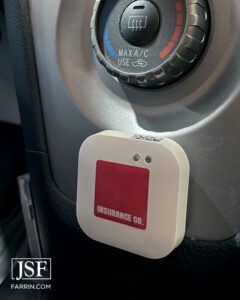 Insurance companies are not offering these programs out of generosity. Most are for-profit corporations, and data is extremely valuable to them — both for pricing strategies and for defending claims.
For many drivers, the chance at a modest discount likely isn’t worth:
- The loss of privacy
- The potential for higher premiums
- The risk of having your own data used to deny your injury claim
Before enrolling, make sure you fully understand how your information will be used, stored, and shared — and how it could affect you if you’re ever involved in a wreck.
Injured in a Crash? We Can Help Protect Your Rights
If you were hurt in a car accident and are worried your insurance data or other tactics may be used against you, contact the experienced car accident attorneys at the Law Offices of James Scott Farrin. We’ve stood up to insurance companies for thousands of clients across North Carolina, and we know how to counter the tactics some may use to try to limit or deny claims.
Call us any time for a free case evaluation. There is no obligation, and we don’t collect a fee unless we recover for you. Guaranteed.2