

Workplace amputation injury in North Carolina? We’ll fight for your future.

A severe injury demands a formidable legal team. We help injured workers seek maximum compensation.
North Carolina Amputation Injury Workers’ Compensation Lawyers: Support for Workers Facing Permanent Work Injuries
Losing a limb or suffering an amputation at work changes a life in an instant. The physical pain is often intense, but the uncertainty about the future can be just as difficult to manage. You might wonder how you will pay your bills, how you will afford medical care, or if you will ever be able to return to your job. When these injuries happen on the job, the North Carolina workers’ compensation system is supposed to provide a safety net, but accessing full benefits is rarely simple.
At the Law Offices of James Scott Farrin, we understand the gravity of these situations. We know that an amputation injury affects not just your ability to work, but your ability to enjoy life, hobbies, and time with family. Our team of North Carolina amputation injury workers’ compensation lawyers is dedicated to helping people like you stand up to insurance companies. We handle the complex legal details so you can focus on healing and your family.
Key Takeaways About NC Workers’ Comp Claims for Amputation Injuries
- North Carolina law provides specific potential compensation rates for the loss of different body parts under the “schedule of injuries.”
- Injured workers generally have the right to medical treatment, including surgeries and prosthetics, paid for by the employer’s insurance.
- Total disability benefits might be available if the amputation prevents the worker from returning to suitable employment.
- Third-party claims could potentially exist if a defective product or a non-employer party caused the accident.
- Accepting a quick settlement offer from an insurance company might result in receiving less than the full value of the claim.
- Legal representation can help protect a worker’s rights throughout the claims process and during potential settlement negotiations.
Why Choose the Law Offices of James Scott Farrin for Your North Carolina Workers’ Comp Claim
Choosing a firm to handle a catastrophic injury case is a significant decision. Since 1997, the Law Offices of James Scott Farrin has fought to protect the rights of injured people against powerful opponents. We combine the resources of a large firm with the personal attention your case requires.
- A Track Record of Results: We have recovered more than $2 billion in gross for more than 78,000 clients since our firm began.¹
- Experienced Professionals: Our team includes NC State Bar Board Certified Specialists in Workers’ Compensation Law and former professionals from inside the insurance industry and defense firms.
- No Fee Unless We Win: We operate on a contingency fee arrangement, meaning we don’t charge a fee unless we get compensation for you. Guaranteed.²
- Advanced Technology: Our proprietary software helps us move cases forward efficiently. Cases don’t collect dust here.
Our mission is performing high-quality work for as many people as possible, and we are ready to put our experience to work for you.
Understanding Workplace Amputation Injuries in North Carolina
Amputation injuries are among the most severe traumas a worker can endure. These incidents often occur in high-risk environments like construction sites, manufacturing plants, and industrial facilities, but they can happen anywhere, often due to unguarded machinery or inadequate safety protocols.
In North Carolina, the workers’ compensation system recognizes the severity of these injuries. However, the system is rules-based and deadline-driven. An amputation case involves more than just paying for the initial surgery. It involves calculating the long-term impact on a person’s life and livelihood.
Common causes of workplace amputations include:
- Machinery Accidents: Fingers or limbs getting caught in gears, presses, or cutting equipment
- Vehicle Accidents: Crushing injuries from forklifts, trucks, or heavy equipment
- Falling Objects: Heavy materials dropping and crushing extremities
- Power Tool Malfunctions: Accidents involving saws, drills, or shears
When a worker loses a body part, the insurance company typically assigns a nurse case manager and an adjuster to the file immediately. While they might seem helpful, their primary goal is often to manage costs for the insurance carrier. Having a dedicated attorney on your side helps level the playing field from day one.
The “Schedule of Injuries” in North Carolina Law
North Carolina workers’ compensation law treats amputation injuries differently from many other types of claims. Under North Carolina General Statute § 97-31, there is a specific list, known as the “schedule of injuries,” that assigns a value to different body parts. This value is measured in weeks of potential compensation.
For example, the statute assigns a specific number of weeks of payment for the loss of a thumb, an index finger, a hand, an arm, a foot, or a leg. The amount of money a worker potentially receives for these weeks is typically based on two-thirds of their average weekly wage prior to the accident.
However, relying solely on the schedule might not always result in the best outcome for the injured worker.
- Healing Period: You are generally entitled to benefits during the healing period before the statutory rating kicks in.
- Wage Loss vs. Rating: In some cases, if the injury prevents you from earning the same wages you did before, you might be eligible for wage-loss benefits instead of the scheduled rating, which could potentially yield a higher recovery.
- Total Disability: If the amputation involves the loss of both hands, both arms, both feet, both legs, or both eyes, or any two thereof, it typically constitutes total and permanent disability.
Determining which path may lead to the maximum possible compensation requires a deep understanding of the law and a thorough analysis of your unique situation.
Medical Benefits and Prosthetics
Medical treatment for an amputation is incredibly expensive. It is not a one-time cost. A person who loses a limb often requires surgeries, physical therapy, occupational therapy, and psychological counseling to cope with the trauma.
One of the most critical aspects of these cases is the provision of prosthetics. Modern prosthetics are advanced, functional, and costly. They also do not last forever. A prosthetic limb might need to be replaced every few years, and the sockets often need adjustments as the body changes.
Our firm fights to help injured workers with amputation injuries obtain compensation for:
- Current Medical Bills: Coverage for emergency room visits, surgeries, and hospital stays
- Prosthetic Devices: Approval for high-quality prosthetics that allow for maximum function
- Future Replacements: Potential agreements that account for the lifetime maintenance and replacement of prosthetic devices
- Home and Vehicle Modifications: Possible costs for ramps, widened doorways, or modified vehicles if the injury restricts mobility
We work with medical experts and life care planners as needed to estimate these future costs accurately.
The Psychological Impact of Limb Loss
While the physical damage of an amputation is visible, the mental and emotional toll is often hidden but equally debilitating. Many people who lose a limb endure depression, anxiety, Post-Traumatic Stress Disorder (PTSD), and phantom limb pain. These conditions can be just as disabling as the physical injury itself.
In North Carolina, psychological conditions can be covered under workers’ compensation if they are a direct result of the workplace injury. However, some insurance companies may deny these claims, arguing that the mental health issues are unrelated to the accident.
Our attorneys help clients by:
- Gathering medical evidence that links the psychological condition to the workplace accident
- Deposing mental health professionals as needed to try to substantiate the need for treatment
- Fighting for the inclusion of counseling and psychiatric care in the potential compensation package
Acknowledging the whole person, not just the physical injury, is a core part of how we build compelling cases.
Why Third-Party Liability Matters
In a standard workers’ compensation case, you generally cannot sue your employer, even if their negligence caused the accident. You are generally limited to potential workers’ compensation benefits. However, there are situations where a third party – someone other than your employer or a co-worker – might be responsible for your injury.
If a third party caused the accident, you may have the right to file a separate personal injury lawsuit against them. This is often called a “third-party claim.” This can potentially open the door to types of compensation not available in workers’ comp, such as payment for pain and suffering.
Examples of potential third-party claims in amputation cases include:
- Defective Products: If a machine lacked a safety guard due to a design flaw, the manufacturer of the machine might be liable.
- Subcontractor Negligence: If a worker from a different company on a shared job site caused the accident (e.g., a delivery driver or an outside contractor)
- Property Owners: If a dangerous condition on a property owned by someone other than the employer caused the injury
Our NC workers’ comp lawyers look at every angle. We can investigate the accident scene, examine maintenance records, and evaluate whether a third party contributed to the incident.
Risks of Accepting an Early Settlement
After a severe injury like an amputation, financial pressure builds up quickly. Insurance adjusters know this. They might offer a “clincher” agreement — a lump sum settlement to close the case — relatively early in the process.
It is crucial to be cautious. Once you sign a clincher agreement and it is approved by the North Carolina Industrial Commission, you generally cannot go back and ask for more money, even if your medical condition worsens or your prosthetic breaks.
Before accepting any offer, consider these factors:
- Future Medical Needs: Does the settlement cover prosthetics for the rest of your life?
- Earning Capacity: Does the amount compensate for the fact that you might never earn the same salary again?
- Medicare Set-Asides: If you are eligible for Medicare, specific rules apply to how settlements must be structured to protect your future potential benefits.

We help our clients analyze these offers. If an offer is too low, we are prepared to negotiate aggressively or take the matter to a hearing if necessary.
How We Build Your Case
When you hire the Law Offices of James Scott Farrin, we take over the administrative burden of your claim. We utilize a “three-legged stool” approach to case management: legal knowledge, strategic investigation, and client communication.
Our process typically involves:
- Investigation: We gather accident reports, witness statements, and safety records to understand exactly how the injury occurred.
- Medical Coordination: We communicate with your doctors to try to ensure they clearly document the extent of your disability and your work restrictions.
- Rate Verification: We check the insurance company’s math. They may calculate the “average weekly wage” incorrectly, which can result in underpayment of potential weekly checks.
- Litigation: If the insurance company denies your claim or refuses to pay for necessary treatment, we can file the necessary forms as needed to request a hearing before the NC Industrial Commission.
We dedicate necessary assets to building a strong file and fight to get you as much as possible, as quickly as possible.
Handling Denied Amputation Claims
It might seem shocking, but insurance companies sometimes deny amputation claims. They might argue that the employee was intoxicated, that they intentionally injured themselves, or that they were not actually “on the clock” when the accident happened.
If your claim is denied, do not give up. A denial does not have to be the end of the road. It is simply the insurance company’s position. We have extensive experience disputing denials.
We can help clients by:
- Filing a Form 33 to request a hearing
- Conducting mediation to try to resolve the dispute before it may go to trial
- Presenting evidence and cross-examining witnesses at hearings as needed
- Handling appeals as needed to the Full Commission or the Court of Appeals if errors were made in the initial decision
We fight to protect your rights at every stage of the process.

The Importance of Acting Quickly
Time is a critical factor in workers’ compensation cases. In North Carolina, you typically have two years from the date of the accident to file a formal claim with the Industrial Commission (Form 18), though you should give written notice to your employer within 30 days.
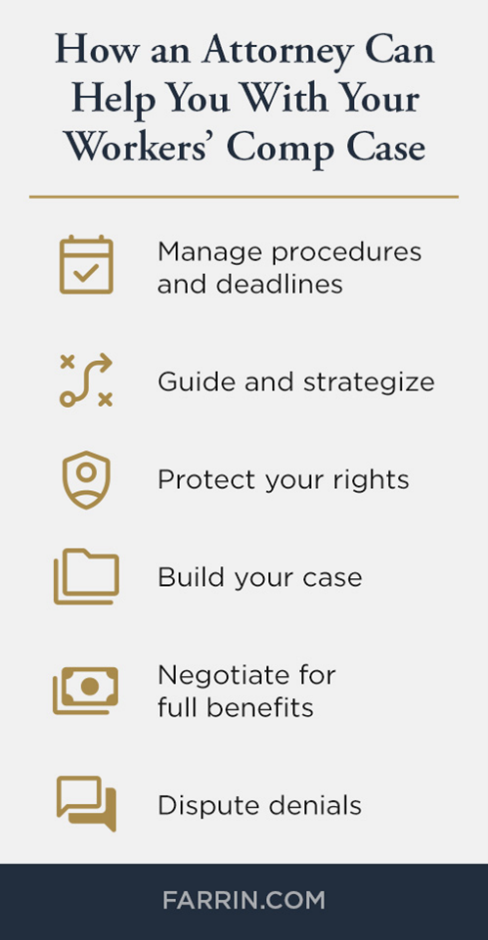
Delays can be costly. Evidence disappears, witnesses forget details, and insurance companies might use gaps in treatment to argue that your injury is not serious. An attorney helps ensure that deadlines are met and procedures are followed correctly.
We work efficiently to move your case forward. We know you are waiting for answers, and we treat your case with the urgency it deserves.
North Carolina Amputation Injury Workers’ Compensation Lawyer FAQs
Here are answers to common questions regarding amputation injuries and workers’ compensation benefits in North Carolina.
What happens if I cannot return to my old job after an amputation?
If your injury prevents you from performing your previous job duties, your employer may be required to find suitable alternative employment for you that accommodates your restrictions. If they cannot provide such work, you may continue to receive weekly wage replacement benefits. In cases where the injury permanently prevents you from returning to any gainful employment, you may qualify for total and permanent disability benefits.
Does workers' compensation pay for the best prosthetic available?
Insurance companies are generally required to pay for medical treatment that is reasonably necessary to effect a cure, give relief, or lessen the period of disability. This includes prosthetics. However, disputes often arise over the type of prosthetic. Insurers might approve a basic model while your doctor recommends a more advanced, functional device. An attorney can help fight for the specific device your physician prescribes.
Can I receive a settlement and keep my medical benefits open?
Yes, it is possible to settle the indemnity (wage) portion of a claim while leaving the medical portion open for a specific period. However, insurance companies often prefer to “clinch” the entire case, closing out both wage and medical liability in exchange for a lump sum. Structuring a potential settlement correctly is complex and requires careful legal review to protect future interests.
How is the value of a finger or limb determined in NC?
The value is determined by the “schedule of injuries” in the NC Workers’ Compensation Act. Each body part is assigned a number of weeks. For instance, the loss of a hand might be worth a certain number of weeks of compensation. The total potential dollar amount is calculated by multiplying the impairment rating percentage by the number of weeks assigned to that body part, multiplied by your compensation rate (66 2/3% of average weekly wage).
What if my employer did not have workers' compensation insurance?
In North Carolina, businesses with three or more employees are typically required to carry workers’ compensation insurance. If your employer illegally failed to carry insurance, you can still file a claim. The case might involve the North Carolina Industrial Commission fraud section and utilize specific legal strategies to pursue assets. These cases are complicated and generally require professional legal assistance.
Get Help From a North Carolina Amputation Injury Lawyer Today
You do not have to face the insurance company alone. The Law Offices of James Scott Farrin is ready to stand in your corner. We have the experience, the resources, and the determination to fight for the maximum compensation you may be entitled to.
We minimize your financial risk by working on a contingency fee basis. This means you pay no fee unless we win your case.² Guaranteed. We want to help you rebuild your life.
If you, or a loved one, have an amputation injury from work, contact the Law Offices of James Scott Farrin today for your free case evaluation. Call us at 1-866-900-7078 or contact us online.
Tell them you mean business.
 Text Us