

Hurt your foot or ankle at work in North Carolina?

We’ll fight to get benefits to help you heal and pay your bills.
North Carolina Foot and Ankle Injury Workers’ Compensation Lawyer: Strategic. Supportive. Experienced.
A serious foot or ankle injury at work can stop you in your tracks. Suddenly, simple tasks like walking, driving, or even standing can become immensely difficult. The pain and inability to work can create significant stress for you and your family. If you’ve been hurt on the job in North Carolina, the workers’ compensation system is designed to provide a safety net for most employees. A North Carolina foot and ankle injury workers’ compensation lawyer can help you pursue the full benefits you might be owed while you focus on your recovery.
At the Law Offices of James Scott Farrin, we fight for our clients, and our track record shows it. We have recovered over $2 billion in gross for over 78,000 clients since 1997. And counting.¹
Key Takeaways About NC Foot and Ankle Injury Workers’ Compensation Claims
- North Carolina’s workers’ compensation system is generally a no-fault system, meaning negligence typically does not have to be proven.
- Workplace foot and ankle injuries can be caused by sudden accidents, such as falls, or develop over time from repetitive strain.
- Potential workers’ compensation benefits include payment for authorized medical treatment and partial replacement of lost wages.
- Strict deadlines exist for reporting a workplace injury to an employer and for filing a claim with the North Carolina Industrial Commission.
- An attorney can manage communications with the insurance company and handle the complex details of a workers’ compensation claim for you.
Why Choose the Law Offices of James Scott Farrin for Your Foot and Ankle Injury Workers’ Comp Claim?
When you’re dealing with a work injury, you want a formidable team on your side. In 2025 alone, our injury firm recovered over $230 million in gross for over 4,500 clients.¹ We call our client-centered approach the “James Scott Farrin Advantage,” and it starts with your first call.
Our attorneys are dedicated to building compelling cases for injured people. We work to level the playing field against large insurance companies by:
- Protecting Your Rights: We can advise you on your rights under the law and fight back against pressure you may feel to return to work before you are medically ready.
- Handling the Details: Our team manages the complicated paperwork and strict deadlines so you can concentrate on getting better.
- Pursuing Maximum Compensation, Fast: We push back against insurance company delays and fight for the highest possible compensation for our clients.
We operate on a contingency fee basis. This means there are no fees unless we obtain compensation for you.² This reduces the financial risk for you and allows you to seek justice without worrying about upfront costs. Guaranteed.
Common Causes of Workplace Foot and Ankle Injuries in North Carolina
From the busy construction sites in Charlotte to the manufacturing plants in the Piedmont Triad, North Carolina workers are on their feet every day. Unfortunately, this also means foot and ankle injuries are common across many industries. These injuries can happen in an instant or develop gradually over months or years of strain.
Some frequent causes of on-the-job foot and ankle injuries include:
- Slips, Trips, and Falls: Wet floors, cluttered walkways, or uneven surfaces can lead to falls that cause fractures, sprains, and other serious injuries.
- Falling Objects: In warehouses, construction sites, and retail stockrooms, items dropped from shelves or higher levels can crush the bones in the feet.
- Machinery and Vehicle Accidents: Workers in industrial settings or those who operate vehicles can endure crush injuries or traumatic amputations in an accident.
- Repetitive Stress: Jobs that require constant standing or walking on hard surfaces, like concrete, can lead to conditions like plantar fasciitis or stress fractures.
- Ladders and Scaffolding: A fall from even a short height can result in devastating ankle or heel bone (calcaneus) fractures, often requiring surgery.
These incidents can happen in any workplace, from an office building to a sprawling factory floor, and can result in significant time away from work.
Types of Foot and Ankle Injuries Covered by Workers’ Comp
The human foot and ankle are complex structures containing more than two dozen bones and over 100 muscles, ligaments, and tendons. An injury to any part of this system can be debilitating. The North Carolina workers’ compensation system can cover a wide range of these injuries if they arise out of and in the course of employment.
Commonly covered foot and ankle injuries include:
- Fractures
- Sprains and Strains
- Puncture Wounds
- Tendonitis
- Plantar Fasciitis
- Burns
A serious injury can lead to long-term complications, such as chronic pain, arthritis, or Complex Regional Pain Syndrome (CRPS), which might affect your ability to work for the rest of your life.
Understanding North Carolina’s Workers’ Compensation System
The North Carolina workers’ compensation system provides a framework for helping most employees who get hurt on the job. It is administered by the North Carolina Industrial Commission, a state agency that oversees these claims. The system is generally considered “no-fault,” which means you typically do not have to prove that your employer did something wrong to cause your injury. In return for these potential benefits, employees generally cannot sue their employer for their workplace injury.
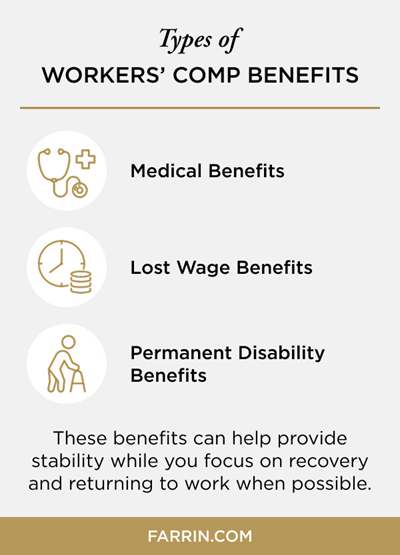
If your claim is accepted, you might be eligible for three primary types of benefits:
- Medical Benefits: This covers all reasonable and necessary medical treatment related to your work injury. This can include doctor visits, hospital stays, surgery, physical therapy, prescription medications, and medical equipment like crutches or orthopedic boots.
- Wage Replacement Benefits: If your injury forces you to miss more than seven days of work, you might receive wage replacement benefits. These are typically calculated as two-thirds of your average weekly wage, up to a maximum amount set by the state each year.
- Permanent Disability Benefits: If you reach Maximum Medical Improvement (MMI) and are not expected to improve further but still have permanent loss of function, your doctor will likely assign an impairment rating which can be used to calculate a potential lump sum payment.
Steps to Take After a Workplace Foot or Ankle Injury
What you do after a work injury can have a significant impact on your ability to receive possible benefits. Once you have received any emergency medical care and are able to take action, it is important to follow the correct procedures to help protect your rights.
- Report the Injury Promptly: You should notify your employer of your injury, both verbally and in writing, as soon as possible. Under North Carolina law, you have 30 days to provide this notice. Failing to do so within the deadline could jeopardize your claim.
- Seek Authorized Medical Treatment: Your employer or their insurance carrier generally has the right to direct your medical care. It is critical to see an authorized physician for your treatment. If you are unhappy with the doctor, there are procedures for requesting a change, which your attorney can help with.
- Follow All Medical Advice: Attend all your appointments, take your medication as prescribed, and follow your doctor’s orders regarding work restrictions. The insurance company might use any failure to follow medical advice as a reason to deny or stop your benefits.
- Keep Detailed Records: Maintain a file with all your medical paperwork, correspondence from the insurance company, and notes on your symptoms and how the injury affects your daily life. This information can be very valuable as your case progresses.
Following these steps can help build a strong foundation for your workers’ compensation claim.
Why You Might Need a Foot and Ankle Injury Workers’ Compensation Lawyer
Some insurance companies may make it difficult for injured workers. An insurance adjuster’s job is often to minimize the amount the insurance company has to pay. Some might try to deny a valid claim, delay approving necessary medical treatment, or pressure you into accepting a low settlement offer.
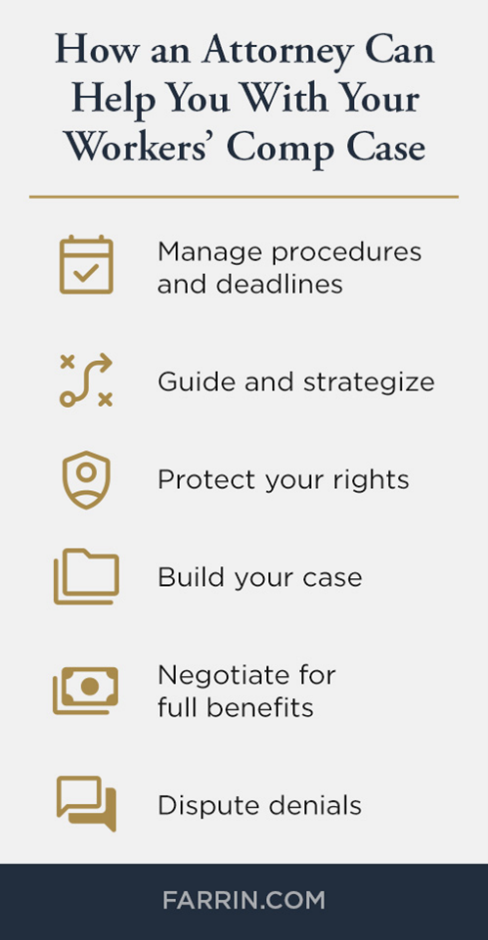 Hiring a lawyer who understands the system levels the playing field. An experienced NC workers’ compensation attorney can advocate for you and handle the many complexities of your case by:
- Building and Managing Your Case: They can gather and examine your medical records and other evidence to build a compelling case for the benefits you might be owed.
- Handling the Insurance Company: An attorney can communicate with the insurance adjuster, helping protect you from tricks and traps some adjusters may use to weaken your claim.
- Fighting for Medical Treatment: If the insurance company denies a recommended surgery or physical therapy, your lawyer can fight for you to get the treatment your doctor says you need.
- Disputing a Denial: If your claim is denied, an attorney can represent you in mediation or at a formal hearing before the North Carolina Industrial Commission to argue your case.
Having a professional on your side allows your case to move forward while you focus on what matters most — your health and your family.
Calculating the Value of a Foot or Ankle Injury Claim
One of the most common questions injured workers have is, “What is my case worth?” The answer depends on many factors, and no two cases are exactly alike. For a permanent injury to a foot or ankle, a key factor in the potential settlement amount is the Permanent Partial Disability (PPD) rating.
Once you have reached Maximum Medical Improvement (MMI) — the point where your doctor believes your condition is unlikely to improve further — the doctor may assign an impairment rating to your injured body part. This is a percentage that can reflect your permanent loss of function. Under North Carolina General Statute § 97-31, a total loss of use of a foot is valued at 144 weeks of compensation.
Your potential PPD benefit is calculated by multiplying this number of weeks by your impairment rating and your compensation rate.
Other factors that can influence a potential settlement include:
- The severity of your injury and the extent of your permanent limitations
- The total cost of your past and future medical care
- The total amount of wages you lost while out of work
- Whether you are able to return to your previous job or any suitable employment
An attorney can evaluate all these elements to help determine the full potential value of your harms and losses and fight for a fair resolution.
North Carolina Foot and Ankle Injury Workers’ Compensation Lawyer FAQs
Here are answers to some common questions we hear from people with work-related foot and ankle injuries.
What happens if my employer doesn't have workers' compensation insurance?
In North Carolina, most employers with three or more employees are required to carry workers’ compensation insurance. If your employer fails to do so, you might still be able to receive benefits from a state fund, and your employer could face significant penalties.
Can my employer fire me for filing a workers' compensation claim in North Carolina?
No. It is illegal for an employer to fire or otherwise retaliate against an employee for filing a workers’ compensation claim in good faith. This is protected under the North Carolina Retaliatory Employment Discrimination Act (REDA).
What happens if the insurance company denies my claim for a foot injury?
If your claim is denied, you have the right to appeal. The first step is typically filing a Form 33, Request for Hearing, with the North Carolina Industrial Commission. An attorney can help you with this process and represent you at a mediation or formal hearing to fight the denial.
Do I have to pay for my medical treatment up front?
No. For an approved claim, all authorized medical treatment related to your work injury should be billed directly to your employer’s workers’ compensation insurance carrier. You should not have to pay out-of-pocket for these expenses.
My doctor released me to light-duty work, but my employer has none available. What are my options?
If your employer cannot accommodate your work restrictions, you might be able to continue receiving wage replacement benefits while you are unable to work. You are generally required to make a reasonable effort to find other suitable employment within your restrictions.
Can I choose my own doctor for my work-related ankle injury?
Generally, the employer or their insurance carrier has the right to direct your medical care, which means they choose the initial treating physician. However, you have the right to petition the NC Industrial Commission to approve a change of physician, and an attorney can assist with that process.
Get Your Free Case Evaluation and Help With Your Case
At the Law Offices of James Scott Farrin, our mission is excellence, one client at a time. We have extensive resources and are prepared to dedicate the necessary assets to build a compelling case for our clients. Our team understands the North Carolina workers’ compensation system and is ready to fight for the benefits you may be owed. Several of our attorneys are North Carolina State Bar Board Certified Specialists in workers’ compensation law!
We know how the other side works because our firm includes several former insurance adjusters and defense firm employees. We use that knowledge to counter lowball tactics and fight for our clients. Since we work on a contingency fee basis, we only get paid a fee if we get compensation for you — guaranteed.² And we will only take your case if we believe we can get you a better result than you might get on your own.
If you, or a loved one, have been injured at work, contact us today for your free case evaluation. Call us at 1-866-900-7078 or .
Tell them you mean business.
 Text Us