

Is a work-related lung disease making it hard to breathe?

You might be owed North Carolina workers’ compensation benefits for your medical care, lost wages, and more.
North Carolina Respiratory Disease Workers’ Comp Lawyers
Breathing should be effortless. But for many hardworking people in North Carolina, a lifetime of exposure to dust, chemicals, or fibers on the job has led to a devastating occupational respiratory disease. Conditions like asbestosis, silicosis, and chronic obstructive pulmonary disease (COPD) can develop slowly over many years, making it difficult to connect the illness to a job you might have left long ago.
If you are struggling with a lung condition you believe is from your work, a North Carolina occupational respiratory disease workers’ compensation lawyer can help you seek full workers’ compensation benefits.
At the Law Offices of James Scott Farrin, we fight for people who have been harmed by their work environment. We understand the complexities of these cases and how to build a compelling case trying to link your illness to on-the-job exposure.
Key Takeaways About NC Occupational Respiratory Disease Workers’ Compensation Claims
- Occupational respiratory diseases are lung conditions caused by inhaling harmful dusts, fumes, or gases in the workplace.
- North Carolina workers’ compensation law provides for specific benefits for eligible employees who develop these recognized occupational diseases.
- Proving a lung disease is work-related often requires detailed medical and employment evidence, especially if the exposure happened long ago.
- North Carolina’s “last injurious exposure” rule can determine which employer or insurance company may be responsible for a claim.
- Strict deadlines apply for filing an occupational disease claim, making it important to act quickly after a diagnosis.
Why Choose the Law Offices of James Scott Farrin for Your Occupational Respiratory Disease Workers’ Comp Claim?
When you are dealing with a serious health condition, the last thing you need is a complicated legal fight. The Law Offices of James Scott Farrin is a formidable team that puts you first. We have recovered over $2 billion total for over 78,000 clients since 1997, and we are still counting.¹ We dedicate the necessary assets to build compelling cases for our clients.
Our firm includes many workers’ comp attorneys who are North Carolina State Bar Board Certified Specialists in Workers’ Compensation law. We also have former insurance industry professionals on our team, giving us insight into how the other side operates. Our approach includes:
- A Focus on You: We listen, return your calls, and keep you updated every step of the way. Your peace of mind is a top priority.
- A Strong Track Record: We fight for maximum compensation, and it shows. We don’t quit when things get tough.¹
- No Fee Unless We Win: We operate on a contingency fee basis, which means you pay no fee unless we obtain compensation for you. Guaranteed.²
We know how to gather key evidence, work with medical experts as needed, and stand up to insurance companies that might try to deny your claim. And we will take your case only if we think we can get you a better result than you would get without us.
What Are Occupational Respiratory Diseases?
Occupational respiratory diseases are a group of illnesses that affect the lungs and are caused by repeated exposure to hazardous substances in the workplace. Unlike a sudden injury, these conditions often take years — or even decades — to develop. By the time symptoms like shortness of breath, a persistent cough, or chest pain appear, the damage can be significant.
Some of the most common occupational lung diseases seen in North Carolina include:
- Asbestosis: Scarring of the lungs caused by inhaling asbestos fibers, often found in construction, shipbuilding, and manufacturing industries
- Silicosis: A lung disease caused by breathing in tiny bits of silica, a mineral that is part of sand, rock, and mineral ores. Workers in construction, mining, and sandblasting are at risk
- Coal Workers’ Pneumoconiosis (Black Lung Disease): Caused by inhaling coal dust
- Byssinosis (Brown Lung Disease): A disease linked to breathing in dust from cotton or other vegetable fibers, historically impacting North Carolina’s many textile workers
- Occupational Asthma: Asthma that is caused or made worse by breathing in substances at work, such as chemical fumes or dust from wood or grain
- Chronic Obstructive Pulmonary Disease (COPD): A progressive disease, which includes emphysema and chronic bronchitis, can be caused or worsened by workplace irritants
Successfully connecting these diseases to your job is a critical step in obtaining workers’ compensation benefits.
Industries in North Carolina With High Risk of Lung Disease
North Carolina has a proud history of industry, from the textile mills that once dotted the landscape of the Piedmont to the modern construction and manufacturing hubs in cities like Charlotte and Raleigh. Unfortunately, this industrial history has also left a legacy of occupational disease for many workers.
Jobs with a higher risk for developing respiratory illnesses include:
- Textile manufacturing
- Construction and demolition
- Shipbuilding and repair
- Mining and quarrying
- Agriculture
- Manufacturing
Even if the factory has closed or you have been retired for years, you might still be able to file a claim if you can link your lung disease to your past employment in one of these North Carolina industries.
Proving Your Respiratory Disease Is Work-Related
One of the biggest hurdles in an occupational disease claim is proving the connection between your illness and your job. Insurance companies often fight these claims by arguing that the condition was caused by other factors, like smoking, or that the exposure happened too long ago.
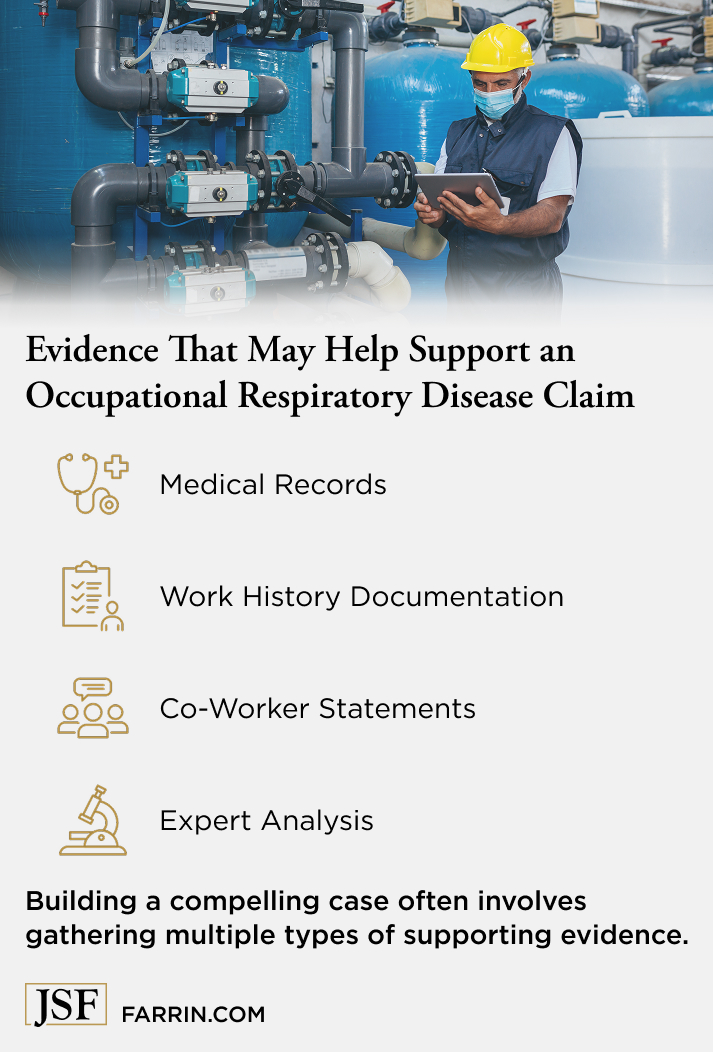
To build a compelling case, a North Carolina occupational respiratory disease workers’ compensation lawyer will generally focus on gathering critical evidence, often including:
- Detailed Medical Records: A clear diagnosis from a doctor, preferably a pulmonologist (a lung specialist), is the foundation of your claim. Medical opinions that state your disease is, more likely than not, related to your work exposure are crucial.
- Comprehensive Work History: We can help you document every job where you might have been exposed to hazardous materials, including dates, duties, and known substances you worked with.
- Co-Worker Testimony: Statements from people you worked with can help establish the presence of dust or chemicals in the workplace and the type of work you performed.
- Expert Opinions: We work with industrial hygiene experts as needed who can evaluate past workplace conditions and medical experts who can try to strengthen the link between your exposure and your diagnosis.
Building a case requires a methodical and thorough approach to gathering and presenting evidence that tries to clearly demonstrate how your work environment led to the health problems you now endure.
North Carolina Workers’ Compensation Benefits for Occupational Diseases
If you can successfully prove your respiratory disease is work-related, the North Carolina Workers’ Compensation Act provides for several types of benefits. The goal of these benefits is to cover your medical costs and replace a portion of the wages you may have lost because you are unable to work.
Under North Carolina law, which is administered in this area by the North Carolina Industrial Commission, you might be able to receive:
- Full Medical Care: This can cover medical treatment that is reasonably necessary to treat your occupational disease. This may include doctor visits, hospital stays, prescription medications, breathing treatments, and oxygen therapy.
- Wage Loss Benefits: If your disease prevents you from working, you might receive weekly payments to replace a portion of your lost income. The type and duration of these potential benefits depend on the extent of your disability.
- Death Benefits: If a worker passes away due to a work-related occupational disease, their surviving dependents (such as a spouse or children) might be eligible to receive death benefits.
An experienced lawyer can help you try to identify and pursue all possible benefits available to you under the North Carolina Workers’ Compensation Act. The process can be complicated, but having a guide safeguarding your best interests can make a significant difference.
The “Last Injurious Exposure” Rule in North Carolina
Many people with occupational lung diseases have worked for multiple employers over the years and were often exposed to harmful substances at several different jobs. This raises an important question: Which employer is responsible for paying workers’ compensation benefits in an approved case?
North Carolina follows the “last injurious exposure” rule. In simple terms, this rule generally states that the last employer where the worker was exposed to the hazard for at least 30 working days is generally responsible for the entirety of a successful claim.
This rule can create disputes between employers and their insurance companies, as they might try to argue that your exposure elsewhere was the true cause. An attorney can counter these tactics and fight to hold the correct party accountable based on the evidence and the law.
What Is the Deadline for Filing an Occupational Disease Claim in NC?
In any legal matter, deadlines are extremely important. In North Carolina, the time limit for filing an occupational disease claim, known as the statute of limitations, is very specific. According to N.C.G.S. § 97-58, you generally must file a claim with the North Carolina Industrial Commission within two years.
This two-year clock typically starts on the date that a competent medical professional first informs you of two things:
- The nature of your illness (your diagnosis)
- The fact that your illness is work-related
Because many lung diseases take a long time to develop, you might not get this information until years after you’ve left the job that may have caused the exposure. It is critical to act as soon as a doctor makes this connection. Missing the deadline can prevent you from ever being able to receive benefits.
How a North Carolina Occupational Respiratory Disease Workers’ Compensation Lawyer Fights for You
When you, or a loved one, are facing a large insurance company, you want a strong advocate on your side. An attorney can level the playing field and handle the legal process so you can focus on your health. At the Law Offices of James Scott Farrin, our workers’ compensation attorneys are prepared to help protect your rights.
Here is how we can fight for our clients:
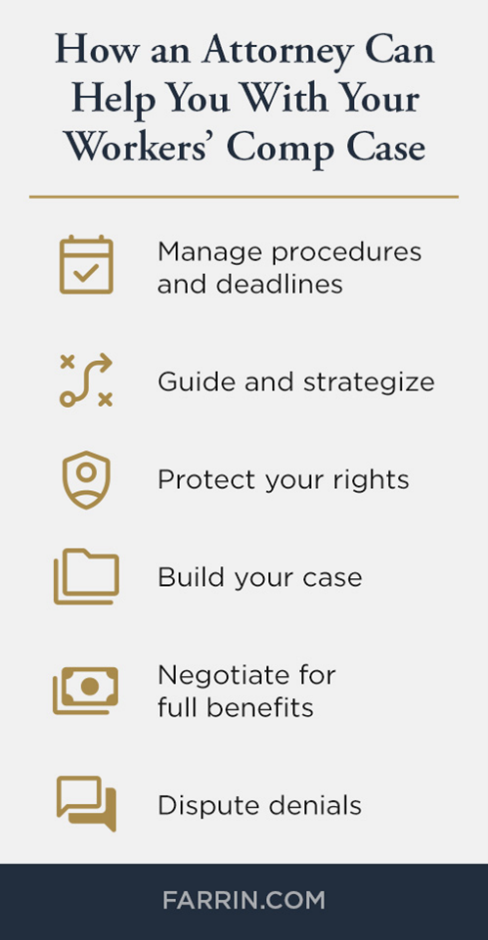
- Handle the Legal Details: We take care of completing the complicated paperwork, making sure all procedures are followed correctly, and meeting the strict deadlines required by the NC Industrial Commission.
- Guide and Communicate: We can advise you on what workers’ comp benefits you might be entitled to, listen to your questions, and tell you the truth about your case.
- Protect Your Rights: We can fight back if the insurance company tries to improperly pressure you, push you to see a doctor you don’t trust, or potentially get you to settle for less than you might deserve.
- Level the Playing Field: We handle communications and negotiations with the employer’s insurance carrier and are prepared to counter their lowball settlement offers.
- Build and Manage Your Case: We can collect and examine your medical records and employment history, and we can depose doctors or other witnesses as needed to build a compelling case.
- Pursue Maximum Compensation, Fast: We fight for full payment of your medical treatments, wage replacement benefits, and potentially the highest possible lump sum settlement you may be owed.
- Dispute a Denial: If your claim is denied, we can argue your case before a neutral mediator. If needed, we are prepared to present your case at a formal hearing and handle appeals in certain instances.
Having a dedicated legal professional fighting for you can significantly increase the odds of a positive outcome and reduces the stress on you and your family.
North Carolina Occupational Respiratory Disease Workers’ Compensation Lawyer FAQs
Here are answers to some common questions people have about occupational respiratory disease claims in North Carolina.
What if the company I worked for has gone out of business years ago?
You might still be able to file a claim. Workers’ compensation owed is generally paid by the company’s insurance carrier, not the company itself. An attorney can help investigate and locate the correct insurance company that covered your employer at the time of your exposure, even if the business no longer exists.
Can I get workers' compensation for a lung disease if I was a smoker?
Yes, it is possible. Insurance companies will often try to blame a lung condition entirely on a history of smoking. However, if medical evidence can show that your workplace exposure was a significant contributing factor to your disease, you might still have a valid claim. This is a common point of dispute where a lawyer’s help can be vital.
What should I do if my occupational disease claim is denied?
A denial does not have to be the end of the road. You have the right to appeal the decision through the North Carolina Industrial Commission. The first step is typically to request a hearing. Because the appeals process involves legal arguments and evidence presentation, it is highly recommended to have an experienced workers’ compensation lawyer represent you.
Contact the Law Offices of James Scott Farrin for Help Any Time
If you, or a loved one, are enduring a serious respiratory illness because of workplace exposure, you do not have to fight for benefits by yourself. The workers’ compensation system can be difficult to manage, and insurance companies have professionals on their side whose job is often to pay out as little as possible. A formidable workers’ comp advocate from the Law Offices of James Scott Farrin can fight for you.
We put our clients first. Our You-First Policy explains how we prioritize your needs in every decision we make. And as part of this policy, you pay no upfront costs or hourly fees to hire our firm. And if we don’t recover compensation for you, you pay no fee at all – Guaranteed.2
If you have been injured or wronged, contact us today for a free case evaluation. Call us at 1-866-900-7078 or contact us online.
Tell them you mean business!