

From the moment you report a work injury, the insurance company has a primary goal: to resolve your claim. It’s not personal; it’s simply how their system works. Your primary goal is very different: to get the care you need and the financial stability to move forward. The place where these two goals often meet is at the negotiating table for a workers’ compensation settlement in South Carolina.
In my practice, I help people understand this dynamic so they can make informed decisions. Knowing the rules of the process can make a significant difference in the outcome.
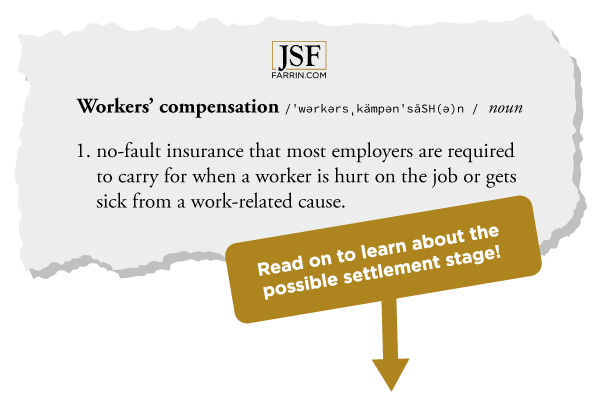
Key Takeaways About Workers’ Compensation Settlements in South Carolina
- A workers’ compensation settlement is a voluntary agreement to close out a claim in exchange for payment.
- Potential settlement amounts in South Carolina are influenced by medical expenses, lost wages, and any permanent impairment.
- Maximum Medical Improvement (MMI) is a critical milestone that typically precedes any settlement discussions.
- South Carolina law recognizes different types of settlement agreements, such as clinchers and Form 16s, which have different impacts on future benefits.
- Workers’ compensation settlements must be approved by the South Carolina Workers’ Compensation Commission.
What Does a Workers’ Compensation Settlement Involve?
A workers’ compensation settlement is a formal, voluntary agreement between an injured worker and the employer’s insurance company. In this agreement, the insurer agrees to pay a certain amount of money, and in return, the worker agrees to close out their workers’ compensation claim.
It’s important to understand that you are not required to settle your potential case. However, many people choose to do so because it can provide a sense of closure and financial stability. A settlement can be paid in one of two primary ways:
- Lump-Sum Payment:This is the most common method, where you receive the entire potential settlement amount in a single payment.
- Structured Settlement:In this arrangement, you can receive settlement funds over time through a series of scheduled payments.
The decision to accept a possible settlement is a significant one because it generally finalizes your claim. This means you typically cannot ask for more money from the insurance company for that specific injury in the future.
The Factors That Influence Settlement Amounts
One of the first questions I often hear from injured workers is about the potential value of their settlement. There is no single formula for workers’ comp settlement amounts, as every case is different. The final amount depends on a unique combination of factors specific to your injury and situation. Insurance companies look at many variables when calculating a potential offer.
Here are some of the key elements that can influence a workers’ compensation settlement in South Carolina:
- Medical Expenses: These typically can include costs related to your work injury, from emergency room visits and surgeries to physical therapy and prescription medications. The potential settlement calculation should also account for any medical care you might need in the future.
- Lost Wages: You might be eligible to recover partial wage benefits for the time you were unable to work. This compensation, known as temporary disability benefits, is typically two-thirds of your average weekly wage. The total amount of lost wages you may have already received and might receive in the future is a major factor in any settlement negotiation.
- Permanent Impairment: If your injury results in a permanent physical limitation, a doctor will assign an impairment rating. This rating, which is a percentage, helps quantify the extent of your permanent disability and plays a significant role in determining the potential value of your case.
- Your Average Weekly Wage: South Carolina law uses your average weekly wage (AWW) as the basis for calculating potential benefits. An accurate AWW calculation is critical for determining the proper compensation rate you may be owed for both lost time and any permanent disability award.
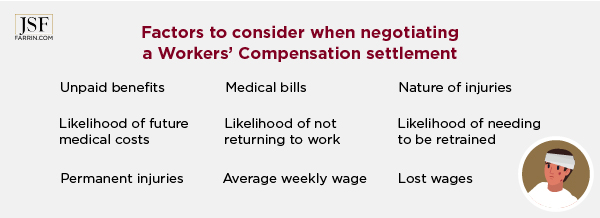
Understanding how these elements combine to form a potential settlement value can be complicated, which is why having an experienced guide can be beneficial.
The Settlement Process in South Carolina Step-by-Step
Workers’ compensation settlements in South Carolina follow a structured process. While it can vary from case to case, there are several common stages you will likely go through after your injury has been reported and if your claim has been accepted.
Reaching Maximum Medical Improvement (MMI)
Before any settlement discussions can begin in earnest, you generally must reach what is known as Maximum Medical Improvement, or MMI. The American Medical Association defines this as the point where your medical condition has stabilized and is unlikely to improve further, even with additional treatment. It does not necessarily mean you are fully healed or back to your pre-injury condition.
Once your doctor declares you are at MMI, they can assess whether you have any permanent impairments.
The Impairment Rating
If your injury has left you with a permanent functional loss, your doctor will assign a permanent impairment rating. This rating is given as a percentage and is based on established medical guidelines. For example, if you injured your arm, the doctor would determine any percentage of permanent loss of use of that arm.
This possible rating can be a crucial piece of evidence in settlement negotiations because it directly translates into potential compensation under the South Carolina Workers’ Compensation Act.
Settlement Negotiations
Once you have reached MMI and if you have an impairment rating, your attorney can generally begin negotiating with the insurance company. The insurer might make an initial offer. From my experience, this first offer is often lower than what an injured worker may ultimately be able to receive. An attorney will fight on your behalf, presenting evidence about your medical condition, lost wages, and future needs to try to increase the offer to a fair amount.
Types of Potential Settlement Agreements
In South Carolina, there are a few different ways a claim can be settled. The two most common are a clincher agreement and a Form 16 agreement.
- Clincher Agreement: This is a full and final settlement of your entire claim. If you sign a clincher, you give up your right to any future benefits for that injury, including medical care. It provides a clean break, but it’s a decision that must be weighed carefully, especially if you anticipate needing medical treatment for your injury down the road.
- Form 16 Agreement: This potential agreement settles the disability or lost wage portion of your claim but leaves your right to future medical benefits open for a period of time, as long as that care is related to the original work injury.
Choosing the right type of possible agreement depends on your personal circumstances and long-term health outlook.
Approval From the Commission
A settlement is not official until it is approved by the South Carolina Workers’ Compensation Commission (SCWCC). The Commission is the state agency that oversees the workers’ comp system. A commissioner will review the terms of the potential agreement to make sure that there are necessary terms outlined in the agreement.
This multi-step process can take time, but each stage is designed to try to ensure the final agreement is appropriate for the injuries you may have endured.
Common Missteps That Can Harm Your Potential Settlement
When you’re trying to heal and manage financial stress, it can be easy to make mistakes that might reduce the value of any settlement. I have seen many people in the Greenville area and across South Carolina inadvertently hurt their own cases by making one of these common missteps:
- Accepting the First Offer: Insurance companies are businesses, and their initial settlement offer is often a starting point for negotiations. Accepting it without question could mean leaving money on the table that you may need for future expenses.
- Downplaying Your Injuries: When talking to doctors or insurance adjusters, it is important to be completely honest about your pain and limitations. If you say you are “fine” when you are not, the insurance company might use that statement to argue that your injury is not as severe as you claim.
- Not Considering Future Medical Needs: If your potential settlement closes out your right to future medical care, consider if the amount is enough to cover any potential treatments, prescriptions, or therapies you may need later in life. This is especially critical for people with catastrophic injuries.
- Missing Important Deadlines: The workers’ compensation system has strict deadlines for filing claims and responding to requests. Missing a deadline can jeopardize your entire case.
Avoiding these errors can increase the odds of securing a possible settlement that truly reflects the full extent of the harms and losses you may have suffered.

How Is a Settlement Paid Out?
After your potential settlement agreement has been negotiated and approved by the SC Workers’ Compensation Commission, the final step is receiving your payment. As mentioned earlier, this is typically done through a lump-sum payment. The insurance company is required to issue the payment within a reasonable time after an approval order is issued.
From this gross potential settlement amount, certain costs will be deducted. These typically include:
- Fees: If you hire an attorney, the fee is paid directly from the settlement. In South Carolina, these fees are regulated by the Commission.2
- Case Costs: This can include money spent on obtaining medical records, paying for expert opinions, or deposition fees.
- Liens: If another entity, like a health insurance company or government benefit program like Medicare, has paid for some of your medical treatment, they might have a right to be reimbursed from any settlement. This is called a lien.
Once these deductions are made, you can receive the remaining balance. An attorney will provide you with a detailed statement showing exactly where the money from your potential settlement went. This transparency helps you understand the complete financial picture of your case resolution.
Compensation Settlement in South Carolina FAQs
Here are answers to some common questions we hear about the workers’ compensation settlement process.
 Text Us