

As a workers’ compensation attorney, I have seen the profound and lasting impact of a serious workplace accident. When that accident results in the loss of a limb, the physical, emotional, and financial challenges can be immense.
If you have endured one of these catastrophic amputation injuries at work here in North Carolina, you might be facing a future that looks very different from the one you planned. The North Carolina workers’ compensation system is in place to provide specific benefits for most workers in these situations, but understanding your rights and the compensation you might be owed can be a complex process.
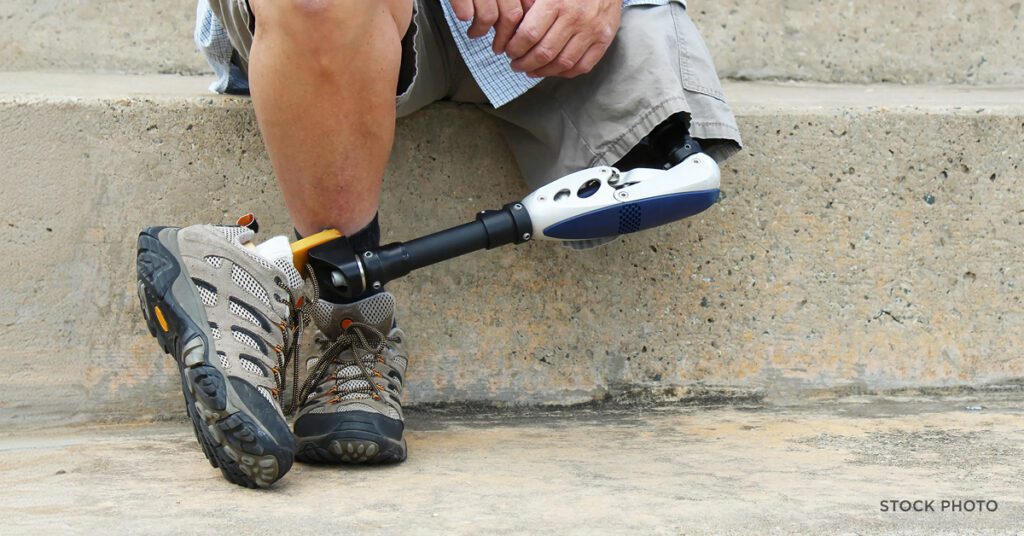
This is a time for healing and adjusting to a new reality, not for battling with insurance companies. My goal is to shed some light on how the system works and how you can seek the financial stability you may be owed to help you move forward.
Key Takeaways About Amputation Injuries at Work
- North Carolina’s workers’ compensation system provides specific benefits for most employees who have sustained amputation injuries on the job.
- Compensation for a workplace amputation can include medical care, prosthetic devices, lost wages, and permanent disability benefits.
- The amount of potential permanent disability compensation is often determined by a schedule that assigns a set number of weeks of benefits based on the specific body part lost.
- An injured employee may also have a separate personal injury claim against a third party, such as the manufacturer of faulty equipment that caused the injury.
- Navigating a workers’ compensation claim for an amputation involves strict deadlines and complex procedures.
Your Rights Under North Carolina’s Workers’ Compensation System
North Carolina operates under a “no-fault” workers’ compensation system. This means that if you were hurt on the job, you generally do not have to prove that your employer was negligent or did something wrong to cause your injury. And while many workplace hazards are monitored by federal agencies like the Occupational Safety and Health Administration (OSHA), accidents still happen.
As established by the North Carolina Workers’ Compensation Act, if you are an employee who was injured while performing your job duties, you are typically covered. The trade-off for this no-fault system is that you generally cannot sue your employer directly for the injury. Instead, the claim is handled through your employer or their workers’ compensation insurance carrier, and they are responsible for paying for approved medical treatment and other benefits defined by law.
The Unique Challenges Faced by People Who Suffer Amputation Injuries at Work
An amputation is more than just a physical injury; it is a life-changing event, and the consequences can radiate through every aspect of your life. From my experience helping people with amputation injuries, I know the road ahead involves much more than just the initial medical procedures.
Some of the long-term considerations include:
- Extensive Medical Care: This often includes multiple surgeries, hospitalization, pain management, and treatment for phantom limb pain — a very real condition where you feel sensation or pain in the missing limb.
- Prosthetics and Assistive Devices: A functional prosthetic can be crucial for regaining mobility and independence. These devices are technologically advanced and expensive, often costing tens of thousands of dollars and requiring replacement every few years.
- Physical and Occupational Therapy: Regaining strength and learning to use a prosthetic device takes a significant amount of time and specialized therapy. You may also need to learn new ways to perform daily tasks.
- Psychological and Emotional Support: Adjusting to life after an amputation often requires counseling or therapy to cope with the emotional toll, which can include anxiety, depression, and post-traumatic stress.
- Home and Vehicle Modifications: To accommodate a new way of life, you may need to make changes to your home, such as installing ramps or modifying bathrooms, as well as outfitting your vehicle with adaptive equipment.

These are just a few of the many challenges an injured worker may face, and they all come with a significant financial cost.
Types of Compensation Available for a Workplace Amputation Injury
The North Carolina workers’ compensation system provides several types of benefits to address the costs associated with amputation injuries at work. The goal is to provide for your medical needs and potentially compensate for your lost wages and permanent impairment.
Medical Benefits
This is the most fundamental potential benefit. Your employer’s workers’ compensation insurance carrier is responsible for paying for all authorized medical treatment that is reasonably necessary to treat your injury and lessen your disability. This generally includes everything from the initial emergency care and surgeries to ongoing needs like prosthetic fittings, physical therapy, and prescription medications.
Temporary Disability Benefits
If you are unable to work at all while you recover, you might be eligible for Temporary Total Disability (TTD) benefits. These payments are generally calculated as two-thirds of your average weekly wage, up to a maximum amount set by the state. If you can return to work but in a limited capacity or at a lower wage, you might receive Temporary Partial Disability (TPD) benefits to make up a portion of the difference in pay.
Permanent Partial Disability (PPD) Benefits
This is a critical benefit for anyone with an amputation injury. Once you have reached what is called Maximum Medical Improvement (MMI), meaning your condition is not expected to improve further, a doctor will assign you a permanent impairment rating — for amputations, North Carolina law has a specific schedule of injuries that assigns a set number of weeks of potential compensation for the loss of a body part.
According to North Carolina General Statute § 97-31, this schedule includes benefits such as:
- Thumb: 75 weeks of compensation
- Hand: 200 weeks of compensation
- Arm: 240 weeks of compensation
- Foot: 144 weeks of compensation
- Leg: 200 weeks of compensation
- Eye: 120 weeks of compensation
This list provides just a few examples from the statute. The number of weeks is then multiplied by your compensation rate (two-thirds of your average weekly wage) to determine the total PPD award you may be owed for the loss of that body part.
Disfigurement Benefits
In addition to PPD benefits for the loss of a limb, you might also be owed compensation for serious disfigurement. The North Carolina Industrial Commission can award up to $20,000 for severe scarring or the amputation itself. This is a separate benefit and can be pursued in addition to your other possible compensation.
Could a Third Party Be Liable for Your Injury?
While you generally cannot sue your employer, sometimes another person or company (other than you co-worker or employer) — a “third party” — is responsible for the accident. This is common in industrial settings, which we see in manufacturing centers around Charlotte and the Greensboro-High Point area.
Consider these scenarios:
- A piece of machinery you were using malfunctioned because of a design or manufacturing defect
- A contractor or vendor working on your job site created an unsafe condition that led to your injury
- The driver of another vehicle hit you while you were driving for work
In these situations, you might have the right to file a personal injury lawsuit against that negligent third party in addition to your workers’ compensation claim. A third-party claim can allow you to seek compensation for damages not available through workers’ comp, such as pain and suffering. This can be a vital source of additional financial support.
Steps to Take After a Workplace Amputation Injury
After such a serious injury, your first priority is your health. Once you are home from the hospital and in a stable condition, there are some steps you can take to help protect your rights as you begin the claims process.
- Provide Written Notice: If you haven’t already, make sure you notify your employer of your injury in writing. The law requires you to do this within 30 days, but it is best to do it as soon as possible.
- Follow Medical Advice: Adhere strictly to your doctor’s treatment plan. Attend all appointments for therapy, prosthetic fittings, and follow-ups. This is crucial not only for your physical recovery but also for your claim.
- Keep Detailed Records: Start a file to keep track of everything related to your injury. This includes medical bills, letters from the insurance company, names of people you speak with, and notes about how your injury is impacting your daily life.
- Be Careful With Insurance Adjusters: The insurance adjuster for your employer’s policy might contact you. Remember that they work for the insurance company, and their job is generally to minimize the company’s costs. It is often wise to speak with an attorney before giving a recorded statement or signing any documents.
Taking these steps can help create a clear record and avoid potential issues that could delay or jeopardize your potential benefits.
How an Attorney Can Help With Your Amputation Injury Claim
Trying to handle a complex amputation claim on your own while also recovering can be incredibly difficult. The insurance company typically has a team of professionals on their side, but an experienced workers’ compensation attorney levels the playing field for you.
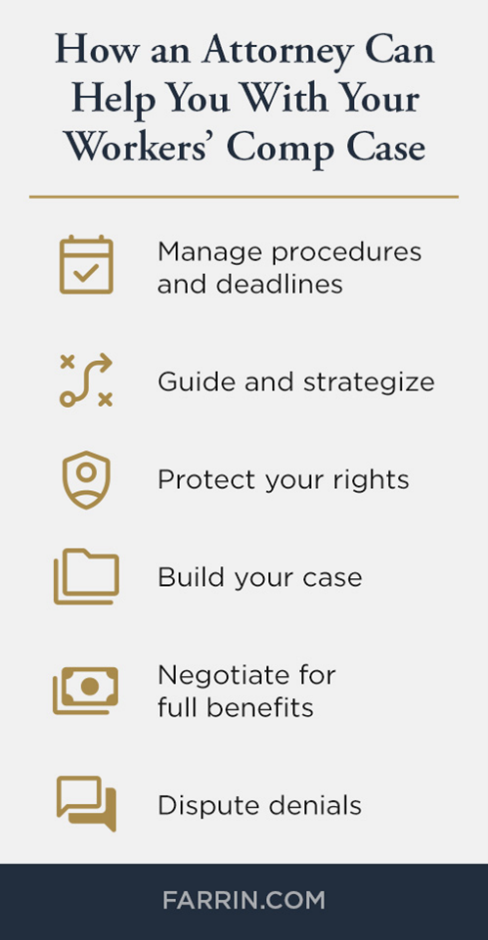
An attorney can fight for you by:
- Handling the details: We can manage the complicated paperwork and ensure procedures are followed correctly, and strict deadlines are met.
- Guiding and communicating: We can listen to your questions, tell you the truth about your case, and advise you on the workers’ comp benefits you might be owed.
- Building and managing your case: We can collect and examine medical records and other evidence to build a compelling case for the full potential value of your claim. If needed, we can depose doctors to get their expert medical opinions on the record.
- Pursuing maximum compensation, fast: We can fight for the highest possible lump-sum settlement, full payment for medical treatment, including future prosthetic needs, and lost wage replacement. We can push back against insurance company delays to help move your case forward.
Having a dedicated advocate on your side can provide immense peace of mind and allow you to focus completely on your health and your family.
Amputation Injuries at Work FAQs
Here are answers to some common questions that arise after a workplace amputation.
 Text Us