

After you’ve been hurt in an accident, one of the first calls you might receive is from the at-fault party’s insurance adjuster. They may sound friendly, concerned, and eager to help. It can feel like a relief to have someone ready to listen.
However, from my experience helping injured NC clients, I can tell you that this initial conversation is a critical moment for your claim, and it is often when some insurance adjuster delay and deny tactics may begin. The insurance adjuster’s job is typically to protect their company’s bottom line, which often means paying out as little as possible.

Let’s break down the five seemingly innocent questions some insurance adjusters may use to deny NC claims and how you can try to safeguard against them.
Key Takeaways About Insurance Adjuster Tactics in Denying NC Claims
- Insurance adjusters often use conversational questions to gather information that can be used against a claimant.
- Providing a recorded statement to an insurance company without legal guidance can be a significant risk to an injury claim.
- Signing a broad medical authorization release might give an insurance company access to your entire medical history, not just your accident-related records.
- Quick settlement offers from adjusters are typically much lower than the potential full value of a claim.
- In North Carolina, even slight fault by the injured party can bar recovery, meaning even seemingly minor admissions can be very damaging.
The Adjuster’s Playbook: Friendliness as a Tactic
Before we dive into the specific questions, it’s important to understand the overall strategy. Insurance companies invest heavily in training their adjusters in communication and psychological techniques designed to build rapport. They know that people are more likely to open up and share information with someone they perceive as a friend or an ally.
This friendly approach is generally a calculated business strategy. The adjuster’s goal is often to get you to make statements that could later be used to devalue or deny your claim.
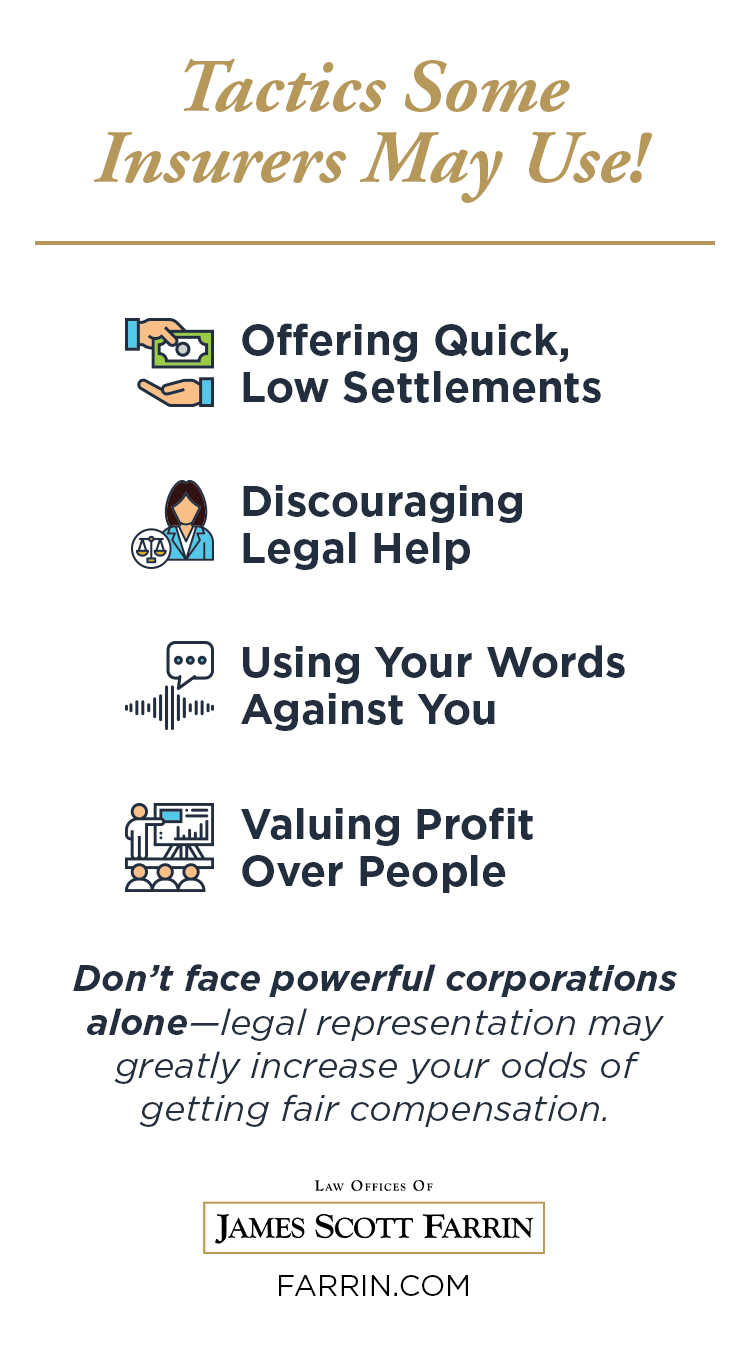
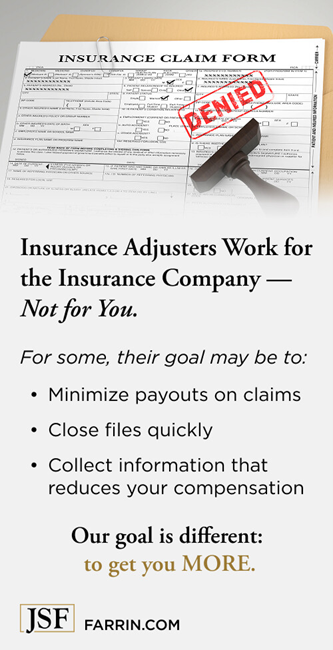
Remembering that the adjuster works for the insurance company — not for you — is crucial.
Question 1: “How are you feeling today?”
On the surface, this is a normal and polite question. When a friend asks it, you might instinctively say, “I’m fine, thanks,” even if you’re not. This social reflex is exactly what some adjusters may count on.
The Hidden Danger in a Simple Greeting
If you say you’re “fine” or “doing okay,” the adjuster will make a note of it. Later, if you reveal the true extent of your injuries, they might point back to this initial conversation. They might argue that your injuries must not have been that serious if you said you were “fine” just a day or two after the accident. This can be especially damaging because many serious injuries, such as whiplash or internal injuries, don’t present symptoms immediately.
Here’s why this seemingly harmless exchange is one of the most effective insurance adjuster tactics some NC adjusters may use:
- It can be recorded in the adjuster’s notes and used to question the severity of your pain later on.
- It can give them an opening to minimize the pain and suffering component of your potential claim.
- Adrenaline and shock after an accident can mask significant pain, and you often don’t know the full extent of the injuries you may have suffered for days or even weeks.
It’s generally better to provide a neutral, non-specific answer, such as “I am getting medical treatment,” and leave it at that.
Question 2: “Can we get a recorded statement just to speed things up?”
This request sounds reasonable. The adjuster might frame it as a simple formality to get your side of the story on the record and move your claim along faster. They might even imply that your claim cannot proceed without it. For some, this may be a powerful trap.
Possible Recorded Statement Trap Questions
A recorded statement is not an informal chat. It is a formal piece of evidence that can be used against you. The adjuster is usually trained to ask leading questions designed to elicit answers, answers that can introduce doubt about the other party’s fault or the severity of your injuries. These recorded statement questions are designed to sound simple, but some may be traps loaded with legal implications.
In North Carolina, the laws on fault can be very strict for an injured person. Knowing this, an adjuster will likely listen for anything that suggests you were distracted, in a hurry, or even slightly unsure about a detail. Some may even try to push the blame onto you.
During a recorded statement, some might ask questions like:
- “What could you have done differently to avoid the wreck?” (This implies you could have done something and might be partially at fault.)
- “Were you on your phone or adjusting the radio at all?” (This seeks an admission of distraction.)
- “You weren’t 100% sure the other driver was going to stop, were you?” (This introduces doubt about your own actions.)
You are typically not required to give a recorded statement to the other driver’s insurance company. An experienced attorney can advise you on how to proceed and can handle communications to help protect you from any tactics.
According to the North Carolina Rules of Evidence, statements you make can potentially be used in a formal legal setting, which highlights the importance of being careful with what you say.
Question 3: “Could you sign this medical authorization form to help us verify your injuries?”
To evaluate your claim, the insurance company will need to see your medical records related to the accident. So, when an adjuster asks you to sign a medical authorization form, it seems like a standard and necessary step. The danger, however, lies in the fine print of the form they may send you.
The Problem With a Blank Check on Your Medical History
Often, the authorization form provided by the insurance company is incredibly broad. It might grant them permission to access your entire medical history, from every doctor you have ever seen, going back many years. This is a classic example of medical authorization release tricks I have seen many times.
Some may not be just looking to verify your accident-related injuries – they may also be searching for any pre-existing conditions or prior injuries they can find. If they discover you had back pain five years ago, they might argue that your current back injury is not from the accident but is an aggravation of an old issue. This may allow them to drastically reduce any settlement offer.
An attorney can help protect your privacy by providing the insurance company with a limited authorization that allows them to see only the specific records relevant to your accident.
Question 4: “Just walk me through it. What were you doing and where were you going right before it happened?”
This is another question that seems purely informational. The adjuster is trying to establish a timeline of events. However, the details of your answer can be twisted to suggest you were partially at fault for the accident.
Painting a Picture That Puts You at Fault
Your answers to these seemingly casual questions can be used to build a narrative against you. For example:
- If you say:“I was running a little late for a doctor’s appointment in downtown Charlotte.”
- The adjuster may hear instead:“I was in a hurry and possibly speeding or driving carelessly.”
- If you say:“I was on my way home from a long shift at work.”
- The adjuster may hear instead:“I was tired and possibly not paying full attention.”
- If you say:“The kids were arguing in the back seat.”
- The adjuster may hear instead:“I was distracted and not focused on the road.”
In a state like North Carolina, where any admission of fault can be devastating to a case, these small, seemingly innocent details can make a huge difference. An attorney’s role is to present the facts of the case clearly and accurately without providing extra information that the insurance company can misinterpret or use against you. Your attorney can prepare an official account of the accident that sticks to the relevant facts.
Question 5: “We’ve reviewed your case and can offer you money right now to close this out.”
After a few conversations, the adjuster might come back with a quick settlement offer. This can be very tempting, especially when medical bills are piling up, and you are unable to work. Some adjusters may prey on an injured person’s financial stress with this tactic.
The Pressure of Delayed and Lowball Settlement Offer Tactics
Insurance companies know that if they wait long enough, an injured person might become desperate enough to accept a low offer. This is one of the more cynical delayed settlement offer tactics I’ve seen. First, some might drag their feet, and then present a lowball offer as a “fast” solution to your problems.
This first offer is almost never the company’s best offer. It is a starting point for negotiation, and it is almost certainly less than the potential full value of your claim. An initial offer likely doesn’t account for:
- Future medical treatment, physical therapy, or surgeries you might need
- The full scope of your possible lost wages, which may include future earning capacity
- Non-economic damages, such as pain, emotional distress, and loss of quality of life
Accepting a quick settlement generally means you give up your right to seek any further compensation for your injuries, even if they turn out to be more severe than you initially thought. An attorney can evaluate the true potential value of your claim and fight for a fair amount.
An Attorney Can Be Your Shield Against Insurance Adjuster Tactics in NC
Dealing with an insurance company after an injury can feel like a game where you don’t know the rules. The adjuster has a playbook, and their goal is usually to win for their company. Having an experienced personal injury attorney on your side levels the playing field.
When you hire an attorney, they become your shield. Communication with the insurance company goes through them. You can reduce the worry about saying the wrong thing or falling into a verbal trap. Your attorney can handle the recorded statements, provide limited medical authorizations, and present the facts of your case in a way that puts your interests first.
They can push back against lowball offers and fight for the full compensation you might deserve, while you focus on what’s most important — your recovery.
FAQs for Questions Some Insurance Adjusters May Use to Deny NC Claims
Here are some answers to other questions we are often asked about dealing with insurance adjusters in North Carolina.
 Text Us