

I’ve built much of my practice representing the people who keep Greensboro running. The Greensboro-High Point region is one of North Carolina’s manufacturing powerhouses, employing more than 47,000 manufacturing workers. From the historic textile mills that helped build the Triad region to modern facilities producing everything from aircraft parts at Honda Aircraft Company to household products at Procter & Gamble, factory work remains the lifeblood of this community.
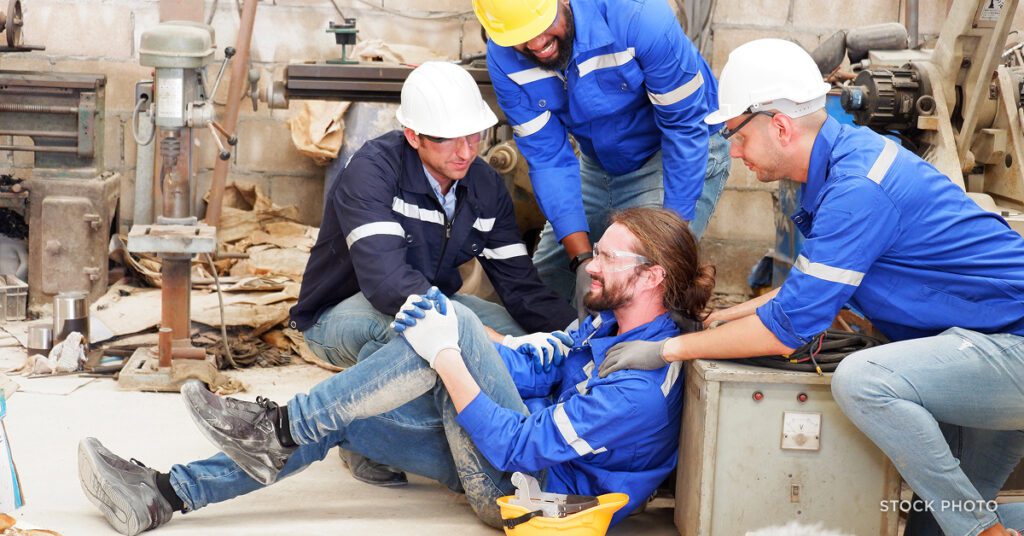
But I’ve also seen the toll this vital industry takes. With the nature of the work comes inherent risk, and when manufacturing injuries in Greensboro happen on the factory floor, too many workers don’t realize the protections available to them.
If you work in one of Greensboro’s many factories and have been hurt on the job, here’s what I want you to know: North Carolina’s workers’ compensation can protect you if you take the right steps. The state’s no-fault workers’ compensation laws mean you can typically receive benefits for a work-related injury regardless of who caused the accident or injury. But the system is complex.
Key Takeaways About Workers’ Comp and Manufacturing Injuries in Greensboro, NC
- North Carolina’s workers’ compensation system operates on a no-fault basis, meaning factory workers can receive benefits regardless of who caused the workplace accident.
- Manufacturing workers are generally covered under the North Carolina Workers’ Compensation Act if their employer has three or more employees.
- Let your employer know what happened as soon as possible. You may only have 30 days to make a report of an injury at work, or you can lose your rights to pursue a claim.
- If you do not file a claim or Form 18 with the North Carolina Industrial Commission (the state agency in charge) within 2 years, you may lose your rights to pursue a claim.
- Approved workers’ compensation benefits in North Carolina include 100% of the medical treatment coverage. You should not be paying out of pocket for prescriptions or getting bills for medical treatment for your injury.
- You should receive payments when you cannot work or earn what you were earning before you were hurt.
- When you are out of work more than 7 days, you should get paid 2/3of your weekly pre-tax wages. Sometimes insurance companies and employers may try to leave out overtime wages and bonuses.
- When you are working but making less money because you are on light duty, you should get paid 2/3 of the difference in wages.
- You may be entitled to payment for a permanent impairment for an injury.
- Common manufacturing injuries include machine-related accidents, repetitive motion injuries, chemical exposure, and slip-and-fall incidents.
- Insurance companies sometimes deny or limit legitimate claims, making legal representation an important consideration for injured factory workers.
Common Manufacturing Injuries in Greensboro Factories
Factory work involves operating heavy machinery, handling raw materials, and performing repetitive tasks — all activities that carry risk. According to OSHA data, workers who operate machinery experience approximately 18,000 amputations, lacerations, crush injuries, and abrasions annually across the United States. The manufacturing sector consistently accounts for a significant portion of workplace injuries and fatalities nationwide.
Greensboro’s diverse manufacturing base means workers face various hazards depending on their specific industry. The types of injuries most frequently seen in local factories include:
- Machine-related injuries such as amputations, crush injuries, and lacerations from contact with equipment like power presses, conveyor belts, and cutting machinery
- Repetitive motion injuries including carpal tunnel syndrome and tendonitis from performing the same movements throughout a shift
- Chemical exposure injuries affecting the skin, eyes, and respiratory system from working with industrial chemicals and solvents
- Slip, trip, and fall accidents caused by wet floors, cluttered walkways, or uneven surfaces in the plant
- Back and spinal injuries resulting from lifting heavy materials, awkward postures, or equipment vibration
- Hearing loss from prolonged exposure to loud machinery without adequate protection
- Burns from contact with hot surfaces, steam, or caustic materials
These injuries range from temporary conditions requiring brief medical treatment to permanent disabilities that change lives forever. Whatever the severity, injured factory workers in Greensboro have legal protections in place.
How North Carolina’s Workers’ Compensation System Protects Manufacturing Workers
The North Carolina Workers’ Compensation Act requires most businesses with three or more employees to carry workers’ compensation insurance or qualify as self-insured employers. This insurance provides benefits to eligible employees who are injured on the job or develop occupational diseases related to their work.
One of the most important things to understand about workers’ compensation in North Carolina is that it operates as a “no-fault” system. This means you don’t need to prove that your employer was negligent or that someone else caused your injury. If you were hurt while performing your job duties or developed an illness related to your work conditions, you may be eligible for benefits.
According to the North Carolina Industrial Commission, which administers the state’s workers’ compensation program, the system is designed to provide injured workers with medical treatment, wage replacement, and additional benefits while protecting employers from lawsuits. In exchange for these potential benefits, workers generally give up the right to sue their employer directly for workplace injuries — though there are some exceptions.
The benefits potentially available under North Carolina workers’ compensation law fall into several categories:
- Medical benefits covering doctor visits, hospital stays, surgeries, medications, physical therapy, and other necessary treatment related to the work injury
- Temporary Total Disability (TTD) payments when a worker is completely unable to work while recovering
- Temporary Partial Disability (TPD) payments when a worker returns to work but earns less due to injury-related limitations
- Permanent Total Disability (PTD) benefits for the most severe injuries that completely prevent future employment
- Permanent Partial Disability (PPD) potential compensation for lasting impairment to specific body parts
Workers’ compensation may also pay for workplace death benefits for surviving family members when a workplace accident proves fatal.
Medical benefits cover 100% of reasonable and necessary treatment costs with no deductible or copay required from the injured worker. However, the employer’s insurance carrier typically has the right to direct medical care by selecting the treating physician. An experienced Greensboro workers’ compensation attorney can be your advocate and help you seek all the benefits for which you may be eligible.
Understanding Wage Replacement Benefits
When a manufacturing injury prevents you from working, North Carolina law typically provides for wage replacement through disability benefits. These payments can help bridge the financial gap while you recover — but they don’t replace your full paycheck.
- If you qualify for Temporary Total Disability benefits, you receive approximately two-thirds (66.67%) of your average weekly wage, up to a maximum rate set annually by the North Carolina Industrial Commission. These benefits are not taxable income. You won’t receive compensation for the first seven consecutive days you miss work unless your disability lasts for 21 days or more — in which case those initial seven days become payable retroactively.
- Your “average weekly wage” is typically calculated based on your earnings during the 52 weeks immediately before your injury. This calculation can become complex if you worked variable hours, earned overtime, or held the job for less than a year. Getting this number right matters because it determines your potential compensation rate for the duration of your claim.
- Once you reach “Maximum Medical Improvement” (MMI) — the point where your condition is not expected to improve further with additional treatment — your doctor will assess whether you have any permanent impairment. If you suffered damage to a “scheduled” body part like a hand, arm, leg, or back, you might be entitled to additional compensation based on your impairment rating.
Critical Steps After a Manufacturing Injury in Greensboro
Taking the right steps immediately after a factory injury can protect both your health and your legal rights. The process involves specific deadlines that you should not miss.
- Report the injury to your employer immediately. North Carolina law requires that you notify your employer about a workplace accident within 30 days. While you can give verbal notice, following up in writing creates a clear record. Tell your supervisor exactly what happened, when it occurred, and what injuries you believe you sustained.
- Get medical treatment promptly. Your health comes first. If the injury is an emergency, call 911 or get to an emergency room. For non-emergencies, your employer should direct you to an approved medical provider. Make sure you tell the doctor that your injury happened at work — this documentation becomes important for your claim.
- File Form 18 with the North Carolina Industrial Commission, the state agency in charge. According to the NC Industrial Commission’s official Form 18, you must file this form within two years of your injury date to preserve your legal claim. However, filing as soon as possible is strongly recommended. Form 18 — the Notice of Accident to Employer and Claim of Employee — officially starts your workers’ compensation claim.
- Document everything. Keep copies of all paperwork, including accident reports, medical records, and correspondence with your employer or the insurance company. Write down what happened while details are fresh in your mind, and note the names of any witnesses who saw the accident.
- Follow your doctor’s instructions. Missing appointments or ignoring medical advice can hurt your claim and your recovery. The insurance company generally watches for reasons to reduce or terminate benefits, and failing to comply with treatment recommendations can give them ammunition.
Taking these steps promptly and thoroughly can create a strong foundation for your workers’ compensation claim.
When Workers’ Compensation Claims Get Complicated
While the workers’ compensation system is supposed to provide straightforward benefits to injured workers, the reality often proves more challenging. Most insurance companies are businesses with financial incentives to minimize payouts, and they sometimes deny legitimate claims or offer settlements far below what injured workers may be owed.
Manufacturing workers in Greensboro might face claim complications in several situations:
- Disputed injuries: The insurance company might argue that your injury didn’t happen at work or that a pre-existing condition is responsible for your symptoms. Manufacturing workers who develop gradual conditions like carpal tunnel syndrome or hearing loss often face skepticism in my experience about whether their work caused the problem.
- Denied medical treatment: Even after accepting a claim, insurers sometimes refuse to authorize recommended treatments or medications. When your doctor says you need surgery but the insurance company says no, the delay can extend your suffering and recovery time.
- Pressure to return to work prematurely: Some employers and insurance carriers may push injured workers back to the job before they’re physically ready. Returning too soon can cause re-injury or worsen your condition — but refusing might jeopardize your benefits if not handled properly.
- Lowball settlement offers: Insurance adjusters might offer a quick settlement shortly after your injury before the full extent of your condition is known. Accepting too little too soon can leave you without resources if complications arise later.
- Retaliation concerns: Though North Carolina law prohibits employers from firing or punishing workers for filing workers’ compensation claims, some workers fear retaliation. Understanding your legal protections can help you make informed decisions.
These complications don’t have to mean you’re out of options — they mean you’re facing a system that often requires persistence and knowledge to work through. When insurance companies create obstacles, injured workers have the right to push back and pursue the benefits the law may provide.
The Difference Legal Representation Can Make
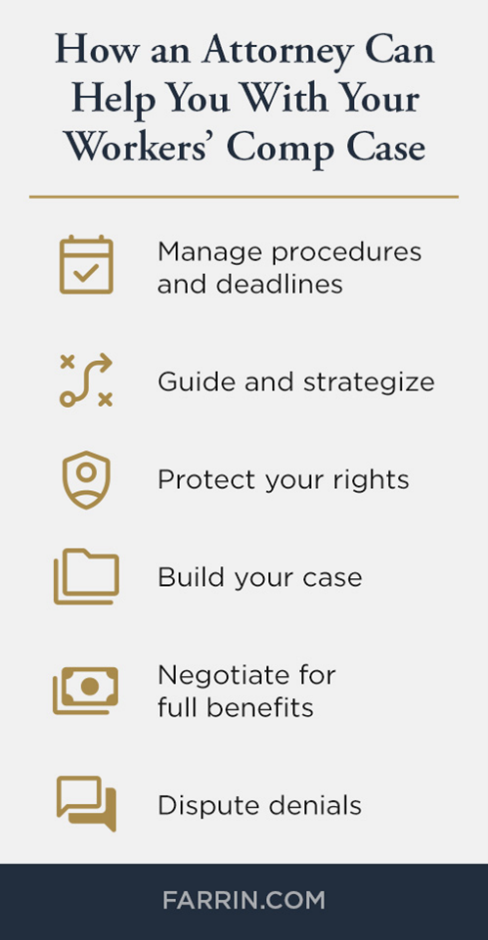
Handling a workers’ compensation claim while recovering from a serious injury puts tremendous stress on factory workers and their families. An experienced workers’ compensation attorney can shoulder that burden and fight for the full benefits you may be owed.
Legal representation helps clients deal with:
- Claim denials that require appeals before the Industrial Commission
- Disputes over the extent of disability or the need for specific treatments
- Complex calculations of average weekly wage or permanent impairment ratings
- Settlement negotiations where the insurance company’s initial offer falls short1
- Situations involving potential third-party liability beyond workers’ compensation
The workers’ compensation system involves detailed rules, strict deadlines, and procedures that experienced participants have an advantage navigating. Insurance companies handle these claims daily and know how to protect their interests. Having an experienced advocate in your corner levels the playing field.
Manufacturing Injuries in Greensboro FAQs
Injured factory workers often have questions about how the workers’ compensation process works and what to expect. Here are answers to some common concerns.