

One of the ways to cool off on a summer day in North Carolina often involves a dip in a swimming pool. Whether it’s a backyard gathering in a Raleigh suburb, a community pool in Charlotte, or a hotel pool on the coast, these moments are supposed to be about fun and relaxation. Unfortunately, a single moment of carelessness on the part of a property owner can change everything. When safety is overlooked, a swimming pool can become a place of serious danger.
I am a personal injury attorney, and my firm helps families deal with the serious consequences resulting from swimming pool accidents in North Carolina. It’s important to understand that property owners have a responsibility to maintain a reasonably safe environment for their guests, and when they fail to do so, they can potentially be held responsible for the harm that results.
Key Takeaways About Liability in Swimming Pool Accidents in NC
- North Carolina property owners generally have a legal duty to keep their swimming pool areas reasonably safe for invited guests.
- Negligence, such as failing to secure a pool with proper fencing or maintaining safe equipment, is often a central issue in swimming pool injury claims.
- The state’s laws regarding fault can be complex, and the way a case is presented can significantly impact its potential outcome.
- Evidence from the scene, witness statements, and medical records are critical components in building a case for compensation.
- Special legal standards, such as the attractive nuisance doctrine, might apply when a child is injured in a swimming pool accident.
Who Is Responsible for a Swimming Pool Injury in NC?
When someone is injured on another person’s property, the legal concept that often applies is called premises liability. In simple terms, this means that the owner or manager of a property has a duty to address or warn guests of known dangers. This generally applies to all kinds of properties with pools, including private homes, apartment complexes, hotels, and fitness centers.
To try to prove that a property owner was responsible for an injury, I generally look for three key elements. I think of it as a three-legged stool — if any leg is missing, the stool falls over, and the case might not stand.
- An Injury Occurred: A person was physically harmed.
- The Property Owner Was Negligent: The owner failed to act with reasonable care. This could mean they did something a reasonable person would not do, or they failed to do something a reasonable person would do to keep the area safe.
- The Negligence Caused the Injury: There must be a direct link between the owner’s failure and the person’s injuries.
This framework helps us analyze what happened and determine if the property owner can be held accountable.
Common Causes of Swimming Pool Accidents
Negligence around a swimming pool can take many forms. While every case is different, many accidents are caused by a handful of recurring safety failures. From our experience helping injured people, some of the most common issues involve:
- Inadequate Fencing or Barriers: Many local and state codes require pools to be enclosed by a fence with a self-latching gate to prevent young children from wandering in unsupervised. A failure to install or maintain these barriers can be a clear sign of negligence.
- Slick and Unsafe Surfaces: Pool decks are naturally wet, but property owners should use non-slip surfaces and ensure there are no tripping hazards like cracks, loose tiles, or misplaced equipment. A simple slip and fall on a poorly maintained deck can lead to catastrophic injuries.
- Lack of Proper Supervision: Commercial pools, such as those at hotels or community centers, might have a duty to provide a lifeguard. If they do, that lifeguard must be properly trained and attentive. If they don’t provide one, they should generally post clear signage indicating that swimmers are on their own.
- Malfunctioning Drains or Equipment: Defective or poorly maintained pool drains can create powerful suction that can trap a person underwater. Federal law, such as the Virginia Graeme Baker Pool and Spa Safety Act, sets standards for drain covers to prevent this. Broken ladders, diving boards, or slides also pose a significant risk.
- Poor Water Maintenance: Improper chemical balances can cause skin and eye burns, while untreated water can harbor dangerous bacteria, leading to serious infections.
These types of hazards are often preventable. When a property owner overlooks these basic safety measures, they may be putting every single guest at risk.
Understanding Your Rights and North Carolina Law
Pursuing a claim for a swimming pool injury in our state requires a careful approach because the state’s rules on fault are very strict. Even a small misstep in handling your case could damage your ability to recover potential compensation. This is why it is so important to have the specific facts of your situation evaluated by an attorney who understands how to build a compelling case under our state’s laws.
One important legal principle that often applies in swimming pool cases involving children is the “attractive nuisance” doctrine. The law recognizes that things like swimming pools can be incredibly tempting to children who are too young to understand the dangers.
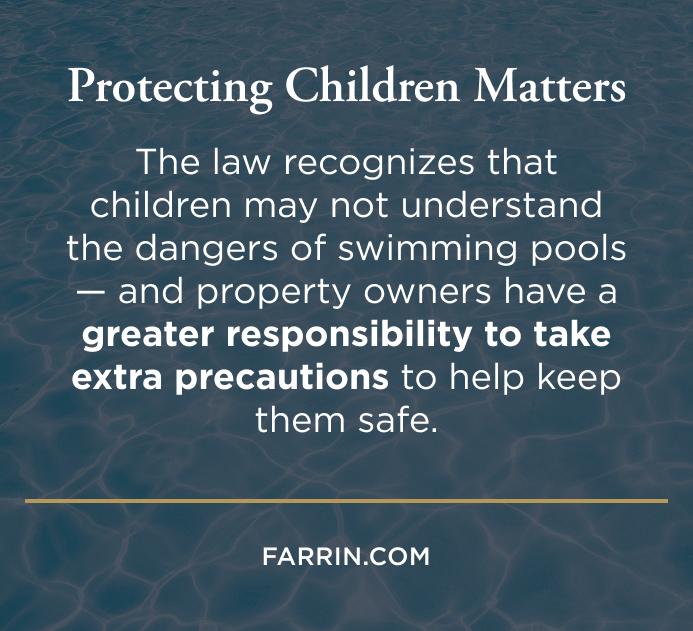
Because of this, property owners in North Carolina have a higher duty of care to protect children from these dangers, even if the child is trespassing. An unlocked gate or a broken fence could be seen as a failure to meet this heightened standard.
An attorney can help you understand how these laws apply to the specifics of your accident. We focus on the at-fault party’s negligence and how it directly led to the injuries, building a case intended to stand up to the scrutiny of the insurance companies.
What to Do After a Swimming Pool Accident
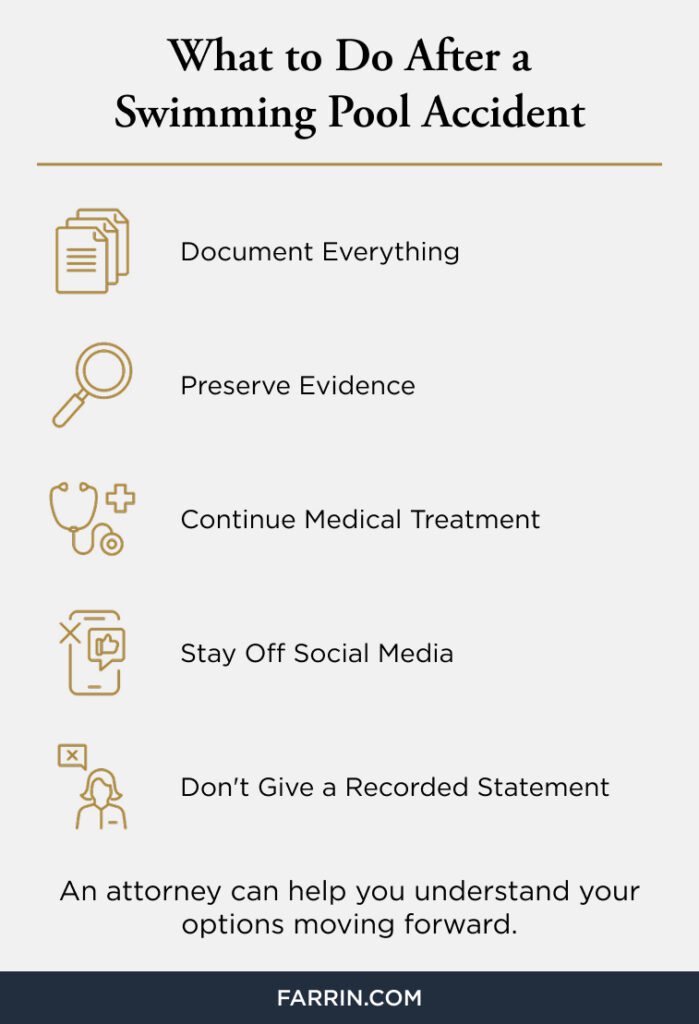 Once you have received emergency medical attention, there are a few steps you can take that might help protect your rights.
- Document Everything You Remember: As soon as you are able, write down every detail about the accident. What time did it happen? Who was there? What were the conditions like? Memories can fade, so creating a written record can be very valuable later on.
- Preserve Physical Evidence: Keep the bathing suit and any towels that were used during the incident in a safe place without washing them. These items could potentially hold evidence, such as traces of improper chemicals. If you have any photos or videos from the day of the accident, be sure to back them up.
- Continue All Medical Treatment: It is crucial to follow your doctor’s treatment plan. Attend all follow-up appointments and physical therapy sessions. This not only helps with your physical recovery but also creates a clear medical record that can link your injuries to the accident.
- Stay Off Social Media: Some insurance companies may look at social media profiles to find information they can use to try to devalue a claim. Avoid posting anything about the accident, your injuries, or your daily activities until your case is resolved.
- Do Not Give a Recorded Statement: The property owner’s insurance company will likely contact you and ask for a recorded statement. You are not obligated to provide one. These calls may get you to say something that could hurt your case. Let your attorney handle all communications with them.
Taking these steps can help create a strong foundation for a potential personal injury claim.
How an NC Personal Injury Attorney Can Help Build Your Case
When you are trying to recover from a serious injury, the last thing you should have to deal with is fighting with an insurance company. As an attorney, my job is to take that burden off your shoulders and fight for you. We dedicate the necessary assets to building a compelling case aimed at seeking the maximum compensation possible for our clients.
Here are some of the ways we fight for the people we help:
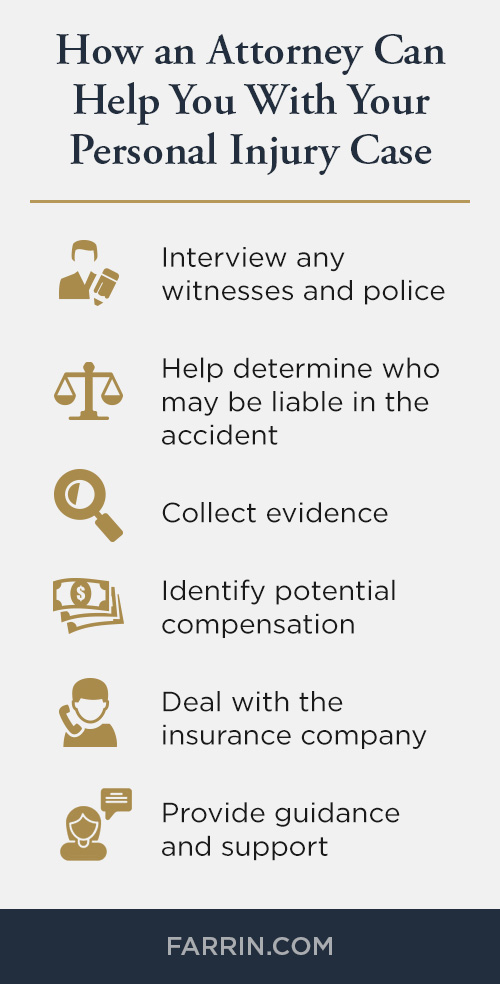
- We Manage All the Details: We take charge of completing complicated paperwork, making sure all legal procedures are followed correctly, and meeting the strict deadlines involved in a personal injury claim.
- We Build Your Case: We immediately begin our investigation to gather and examine critical evidence. This can include obtaining incident reports, deposing witnesses, and reviewing medical records. When appropriate, we work with investigators to reconstruct the scene of the swimming pool accident.
- We Handle the Insurance Company: We handle communication and negotiation on your behalf. Most insurance adjusters are trained to protect their company’s bottom line, but we counter any lowball tactics with facts and evidence.
- We Fight for Maximum Compensation: We work to identify all possible sources of compensation and calculate the full potential value of the harms and losses you may have suffered. This can include not just medical bills and lost wages, but also the physical pain and emotional distress you may have endured.
Our goal is to level the playing field and give you peace of mind, knowing that a formidable team is fighting for your rights while you focus on healing.
Swimming Pool Accident Liability FAQs
Here are answers to some common questions I hear about NC swimming pool accident claims.

 Text Us